
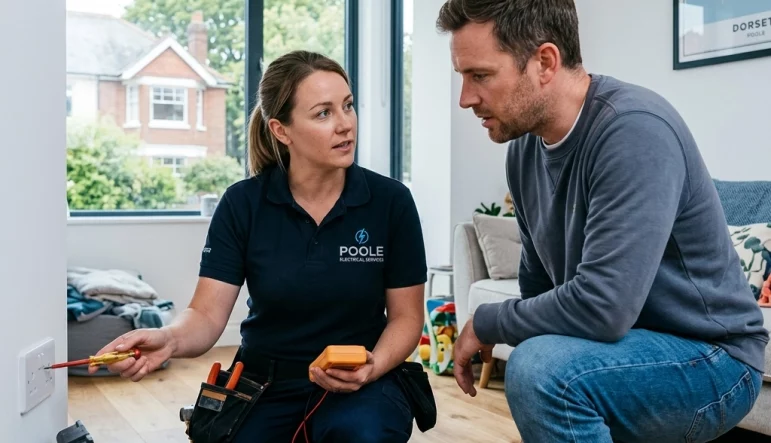
Electrical safety standards in Poole homes often fall behind current regulations. Our team identifies common faults during EICR inspections in Bournemouth and Ferndown. Outdated systems increase fire risks. Many property owners are unaware of these hazards until a failure occurs. This guide outlines technical mistakes and the necessary corrections.
Homeowners in Dorset frequently replace blown fuses with the wrong wire rating. Using 30-amp wire on a 5-amp lighting circuit is a common error. The fuse wire must be the weakest point in the circuit. If the wire is too thick, it will not blow during an overload. The internal house cabling will heat up and melt instead. This is a primary cause of domestic electrical fires.
The fix involves a consumer unit upgrade. Modern units use Miniature Circuit Breakers (MCBs). These components are factory-calibrated to trip at specific current levels. They cannot be manually uprated by a user. We are currently installing these units in residential properties across Poole to eliminate fuse wire risks.
Older properties in Ringwood and Poole often lack Residual Current Devices (RCDs). An RCD is a life-saving component. It monitors the balance of electricity flowing through a circuit. It disconnects the power in milliseconds if a leak to earth is detected. This prevents fatal electric shocks. Without an RCD, a person touching a live wire becomes the path to earth.
We recommend installing individual RCBOs (Residual Current Breaker with Overcurrent). An RCBO combines the functions of an MCB and an RCD. Using one for every circuit ensures that a fault in the kitchen does not turn off the lights in the hallway. Our team is upgrading several boards in Bournemouth to meet these safety requirements.
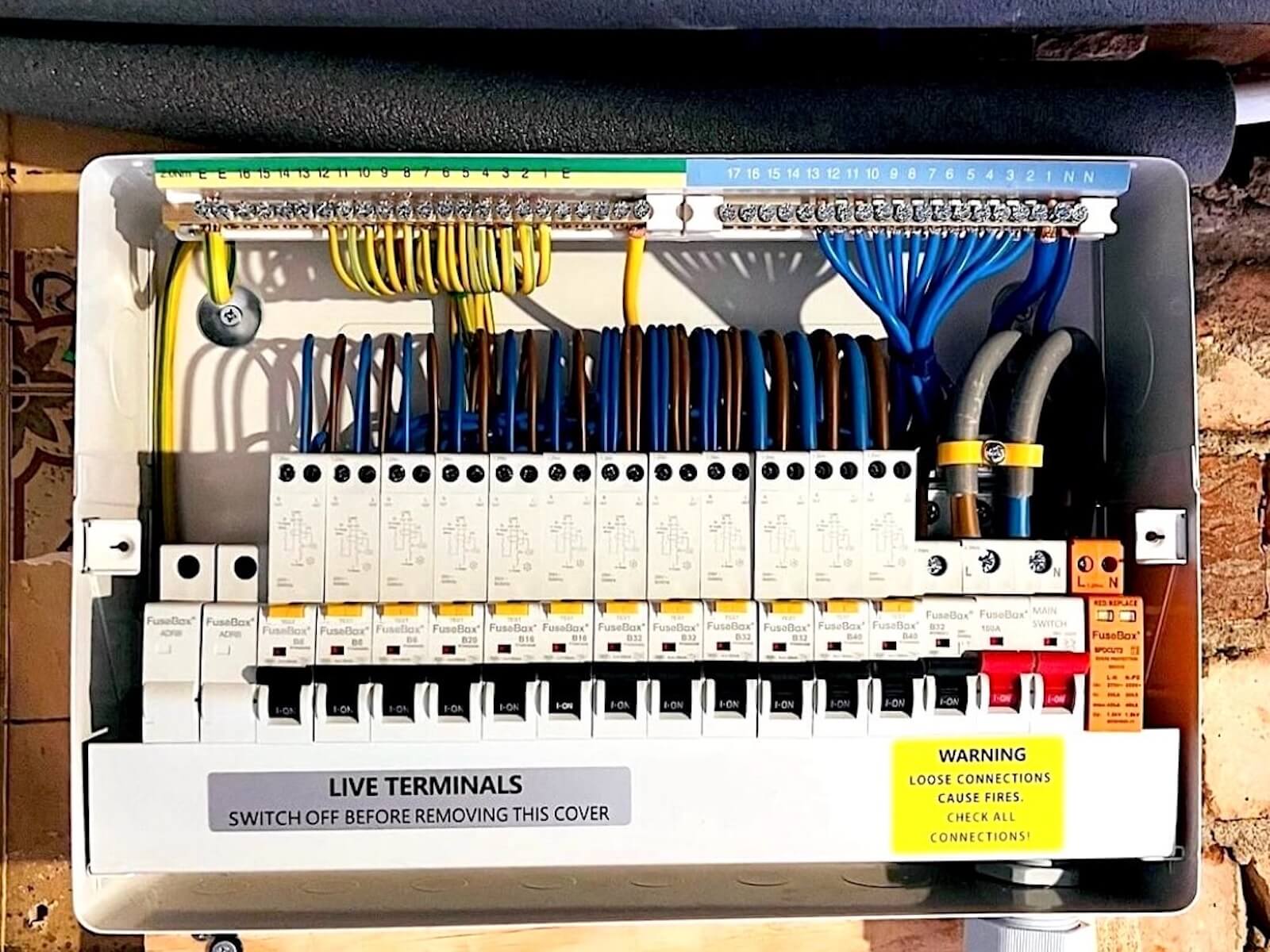
Many homes in the Dorset area still use 30 to 40-year-old electrical systems. Rubber-insulated cabling becomes brittle and cracks over time. This exposes live conductors. Older plastic consumer units also do not meet the 18th Edition Amendment 2 standards. Current regulations require non-combustible metal-clad consumer units for all domestic installations.
Replacing outdated infrastructure is a standard procedure for electricians in Dorset. We remove old rewireable fuse boards and install metal enclosures. These enclosures contain fire and prevent it from spreading. We also inspect the earthing and bonding during these upgrades. Proper earthing is essential for the operation of modern safety devices.
Overcrowding occurs when too many cables are terminated into a single circuit breaker. This leads to loose connections and overheating. Poorly labelled boards are another significant safety risk. In an emergency, a homeowner must be able to isolate a specific circuit quickly. Many boards in older Poole homes have no labels or incorrect ones.
Our team ensures all installations comply with Part P regulations. We use ferrules for multi-strand cables to ensure secure terminations. Every circuit is tested and clearly labelled. We provide a circuit schedule with every new consumer unit. This allows for safe maintenance and emergency isolation. You can see examples of our professional wiring in our gallery.
Positive input ventilation is often misunderstood by homeowners in Poole. Some believe PIV units are expensive to run or contribute to electrical load issues. These are PIV myths. A PIV system uses a small amount of electricity to circulate filtered air. This reduces condensation and mould growth. Poor air quality and dampness can eventually damage electrical accessories.
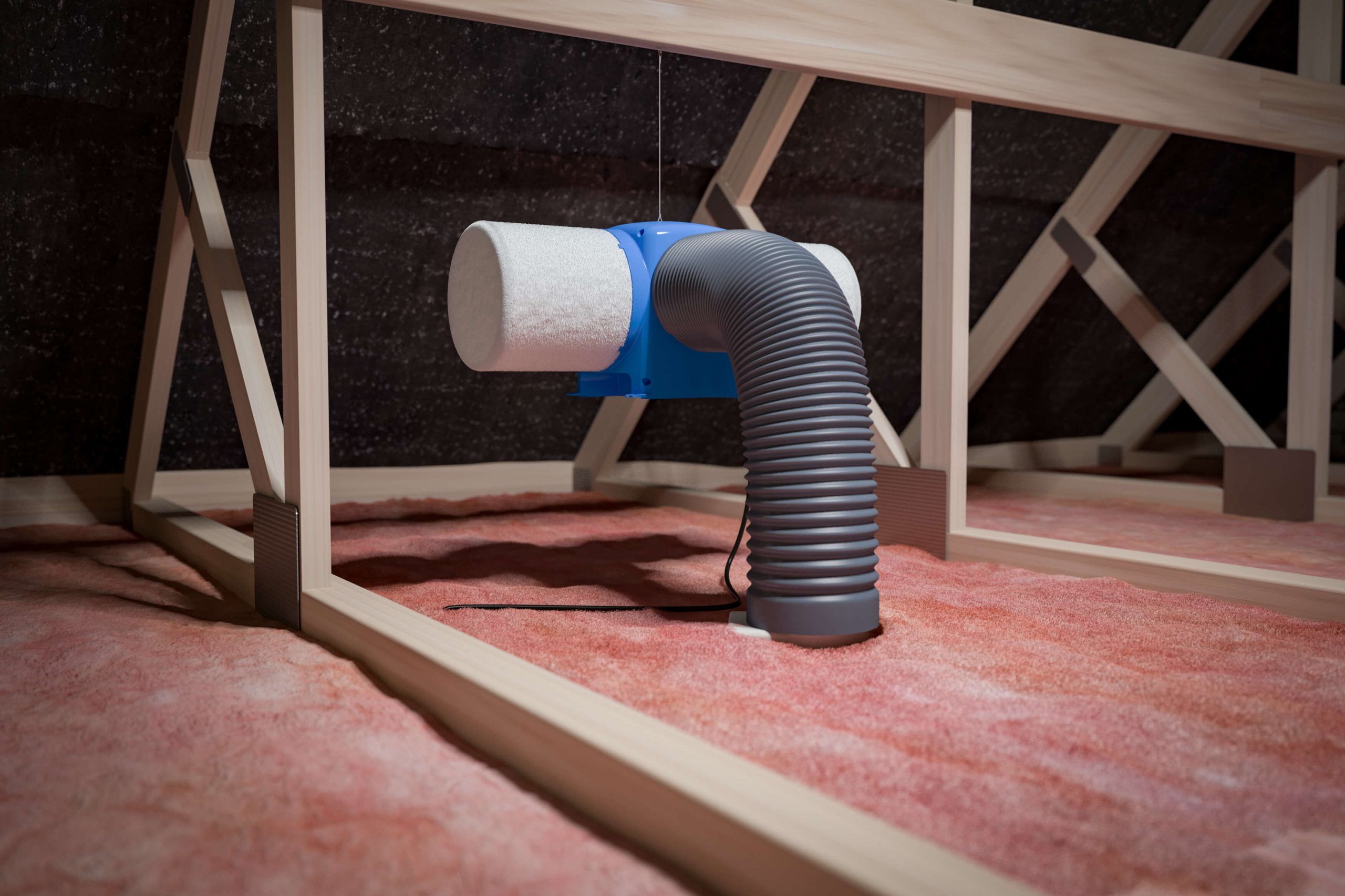
We install PIV units in loft spaces in Bournemouth and Ferndown. These units draw fresh air through filters and distribute it into the home. This creates a slight positive pressure. It forces out moisture-laden air through natural gaps in the building. Our team integrates these systems safely into the existing domestic supply.
DIY electrical work is a major hazard in Dorset. We often find sockets installed too close to water sources in kitchens and bathrooms. Regulations define specific "zones" where electrical accessories are prohibited. Sockets must be at least 3 metres from the boundary of Zone 1 in a bathroom. Many DIY projects ignore these clearance distances.
We correct these errors by moving outlets to compliant positions. We also install IP-rated accessories where moisture is present. IP65 or IP44 rated fittings prevent water ingress into the electrical components. Our electricians in Dorset frequently rectify hazardous DIY wiring found during property surveys. Photos of compliant kitchen installations are available in our project gallery.

The most common mistake is failing to have regular inspections. An EICR is a formal survey of a property's electrical health. It identifies hidden faults such as poor insulation resistance or high earth loop impedance. Many insurers in Poole now require a valid EICR before renewing home policies. This is especially true for older properties.
The EICR process involves testing every circuit. We assign codes to any found issues. C1 means immediate danger. C2 means potentially dangerous. C3 is a recommendation for improvement. We provide these reports for domestic and commercial electrical services. Regular testing ensures the long-term safety of the building and its occupants.

Electrical safety requires adherence to the BS 7671 standards. Our team operates across Poole, Bournemouth, and the surrounding areas. We ensure all work is certified and registered with relevant bodies. This includes consumer unit upgrades, PIV installations, and full rewires.
We are currently completing remedial works in Ashington and Bear Cross. These projects involve upgrading earthing systems and installing surge protection devices (SPD). SPDs protect sensitive electronics from voltage spikes. This is now a requirement in the latest wiring regulations.
Our team continues to provide technical support for residential and commercial clients. We maintain a straightforward approach to project management. Factual reports and compliant installations remain our priority.
Photos to follow.
Thanks.