
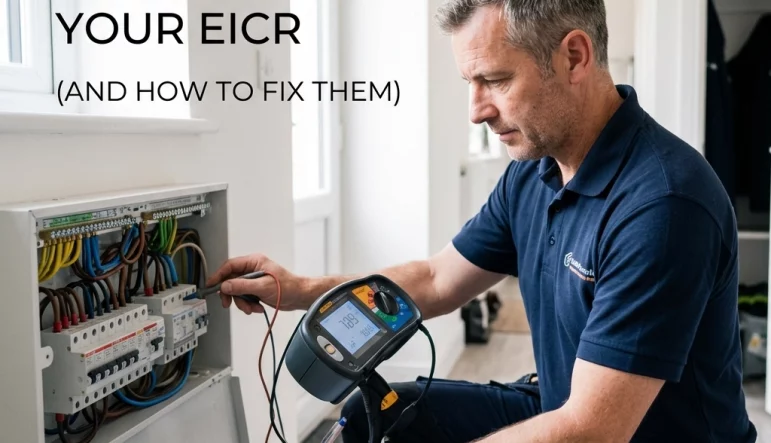
Landlords and property owners in Dorset, Bournemouth, and Poole are currently subject to stringent EICR (Electrical Installation Condition Report) regulations. Compliance with BS 7671 is mandatory for all private tenancies, requiring an inspection at least every five years. Dorset Electrical Solutions performs these inspections across Ringwood, Ferndown, and the surrounding areas to ensure residential and commercial systems remain safe. Failure to address common electrical defects results in an "Unsatisfactory" report, leading to potential fines and safety risks for occupants.
Our team is currently identifying a high volume of recurring faults during EICR testing in properties throughout Canford Cliffs and Branksome Park. Many of these issues stem from outdated hardware or improper modifications made by uncertified individuals. Addressing these mistakes before the official inspection can streamline the certification process and ensure the safety of the electrical infrastructure.
A frequent mistake found during inspections is the absence or inadequacy of main protective bonding to incoming metallic services. In many older properties in Poole and Bournemouth, the bonding conductors for water and gas supplies are either missing or do not meet the current 10mm requirement specified in the 18th Edition wiring regulations.
The fix involves the installation of 10mm² green and yellow earthing conductors from the main earthing terminal of the consumer unit to the gas and water service pipes. These connections must be made within 600mm of the meter or point of entry. Our electricians are currently retrofitting these conductors in Ashington and Bearwood to bring installations up to current safety standards.
Many consumer units in Ferndown and Ringwood lack RCD (Residual Current Device) protection on all required circuits. Current regulations demand 30mA RCD protection for all socket outlets, circuits passing through zones 1 or 2 of a bathroom, and cables buried in walls at a depth of less than 50mm.
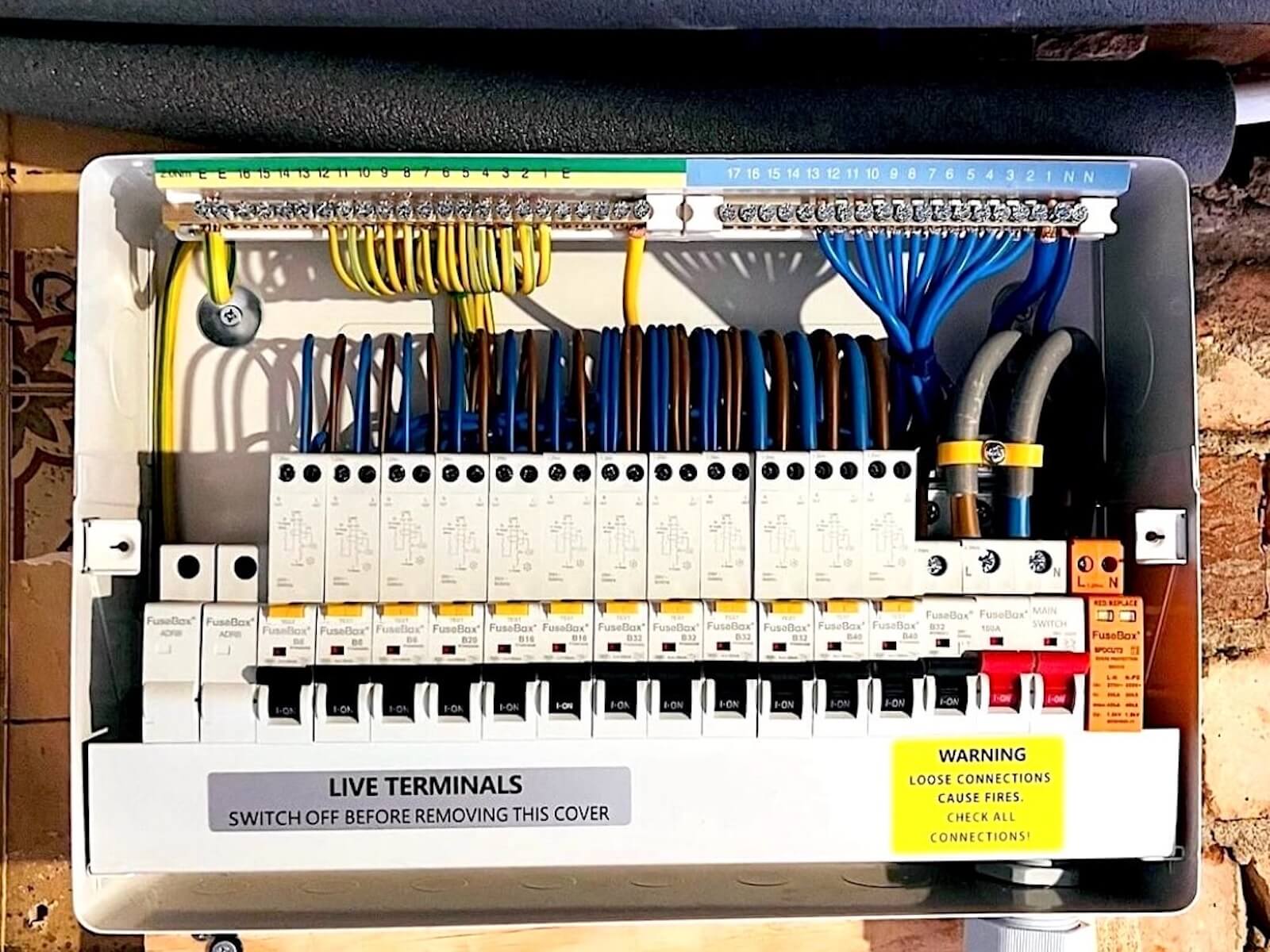
The fix for this failure is typically a consumer unit upgrade. We are replacing older fuse boards with modern dual-RCD or RCBO-populated consumer units. This upgrade provides the necessary sensitive disconnection in the event of an earth fault. Properties in Boscombe and Charminster often require these upgrades to pass an EICR, especially when landlords are preparing for new tenancies.
In numerous residential properties across Lansdown and Ensbury Park, we encounter metal light fittings installed on lighting circuits that lack a circuit protective conductor (CPC) or earth wire. This is common in houses built before the late 1960s where the original wiring did not include an earth for the lighting.
The fix is either to rewire the lighting circuit to include a CPC or to replace all metal fittings with Class II (double insulated) alternatives that do not require an earth connection. Failure to rectify this results in a Code C2 (Potentially Dangerous) on the EICR. Our team is currently performing rewires in East Howe to resolve these earthing issues.
Bathroom lighting mistakes often involve the installation of fittings with inadequate Ingress Protection (IP) ratings. In zones 1 and 2, fittings must be resistant to water spray. We frequently find standard pendants or non-IP rated downlights in Canford Cliffs bathrooms, which leads to immediate EICR failure.
Fixing this requires the installation of IP44 or IP65 rated luminaires. When performing an EICR, we also check that all bathroom circuits are RCD protected. This is a critical safety measure for any electrician Dorset property owners hire to maintain their rental portfolios.
Overloaded circuits and loose terminations are common in both domestic and commercial settings in Littledown. These issues often arise from DIY additions or the use of improper junction boxes. Loose connections cause arcing, which is a leading cause of electrical fires.
The fix involves a full inspection of the consumer unit and accessible junction boxes to ensure all terminations are tight and correctly rated for the circuit load. We use torque screwdrivers to meet manufacturer specifications for circuit breaker terminations. This is a standard part of our maintenance routines in Fleetsbridge and Poole.

Downlights installed in the ceiling without proper fire rating or sufficient clearance from insulation are a recurring problem. In many lofts in Bear Cross, we find insulation laid directly over non-fire-rated halogen or LED downlights, leading to heat buildup.
The fix is to install fire-rated LED downlights or use loft caps to maintain a fire barrier and allow for heat dissipation. This is often combined with other loft-based improvements, such as the installation of a PIV unit to combat mould and damp in Dorset homes.
Low insulation resistance readings during testing indicate that the protective coating of the cables is breaking down. This is often caused by age, moisture ingress, or mechanical damage from rodents. We frequently see this in older properties in Creekmoor and Hamworthy.
The fix involves identifying the specific leg of the circuit with the low reading and replacing the damaged section of cable. If the degradation is widespread across multiple circuits, a partial or full rewire is recommended. This ensures the long-term safety of the property and compliance for future EICR cycles.
While an EICR focuses on safety, many property owners in Lilliput and Bournemouth are using the inspection as an opportunity to upgrade their facilities. This includes EV charger installation to support the transition to electric vehicles. We are currently installing Easee and Zappi chargers for residential clients across Dorset.
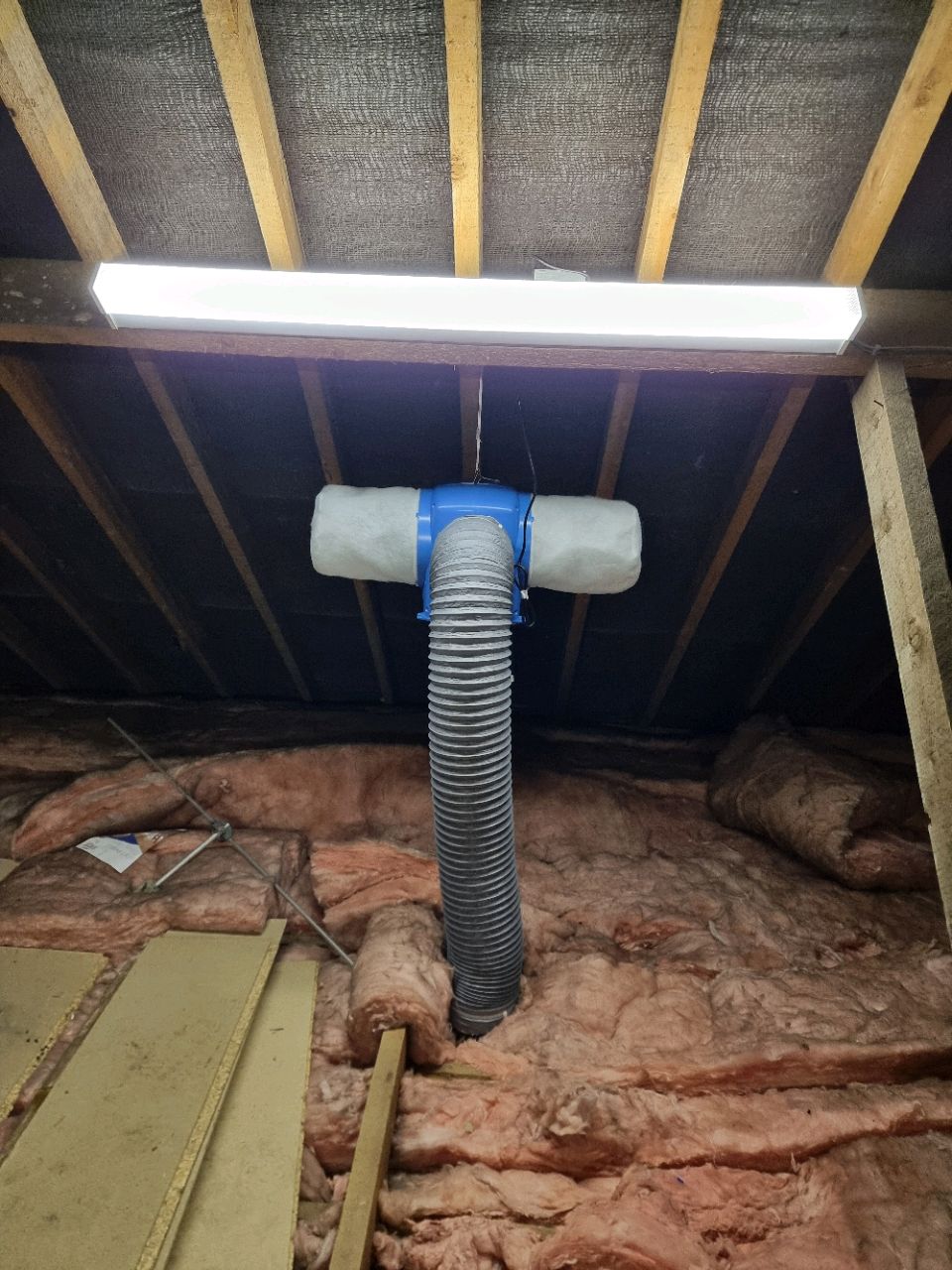
Furthermore, to address issues with damp and mould which are often highlighted during property inspections, the installation of a PIV unit (Positive Input Ventilation) is becoming standard. These units, such as the Nuaire Drimaster-Eco, are installed in the loft space to provide continuous filtered air, reducing condensation and improving indoor air quality.
Dorset Electrical Solutions provides comprehensive electrical services including:
Our team operates daily in Canford Heath, Hamworthy, and Bearwood. We ensure all work complies with the latest building regulations and health and safety standards. Photos of ongoing projects in County Gates and Ringwood to follow.
Thanks.