
Capacity assessment, new supply or substation, car-park cabling and charger installation for fleets, forecourts, retail and workplaces.

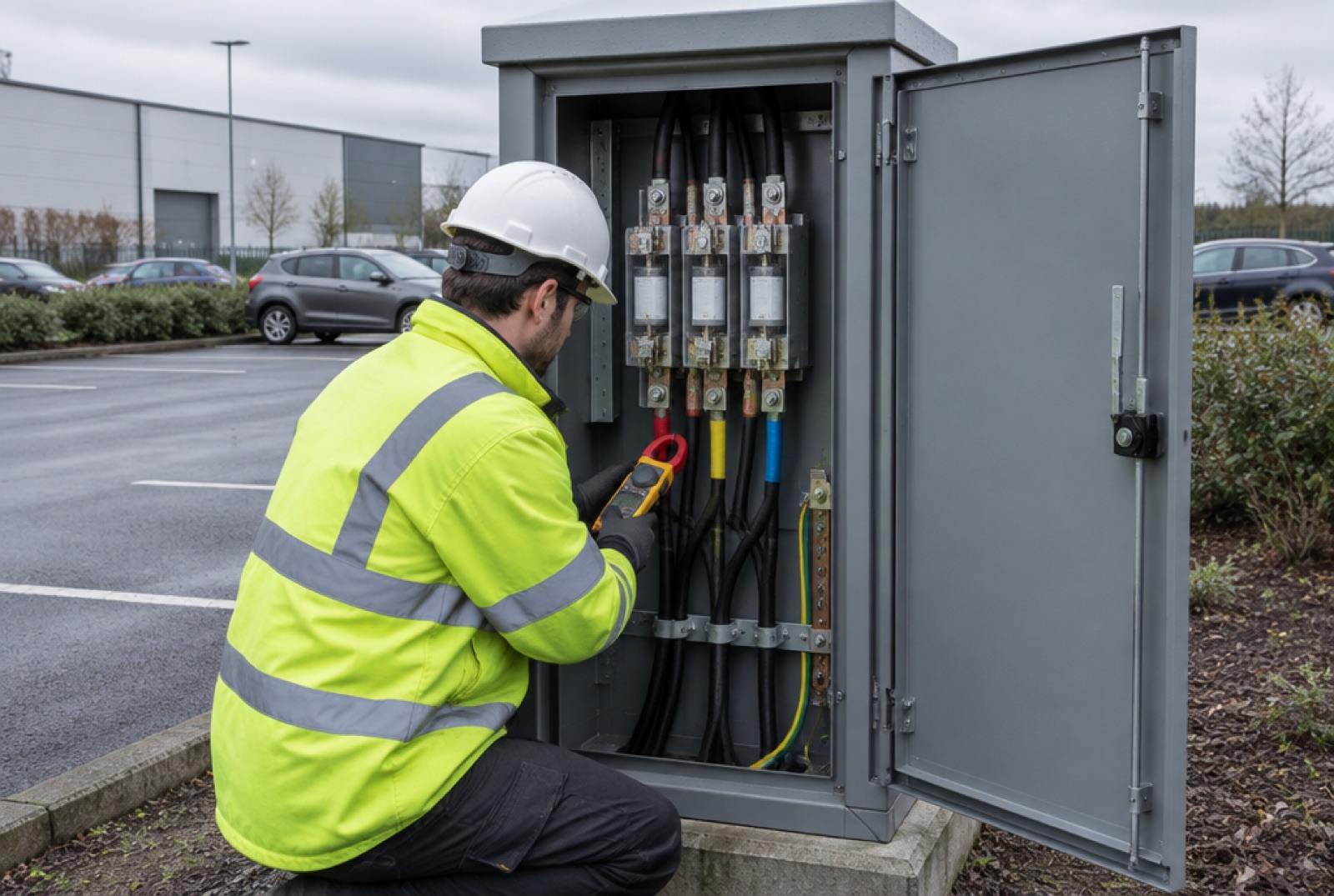
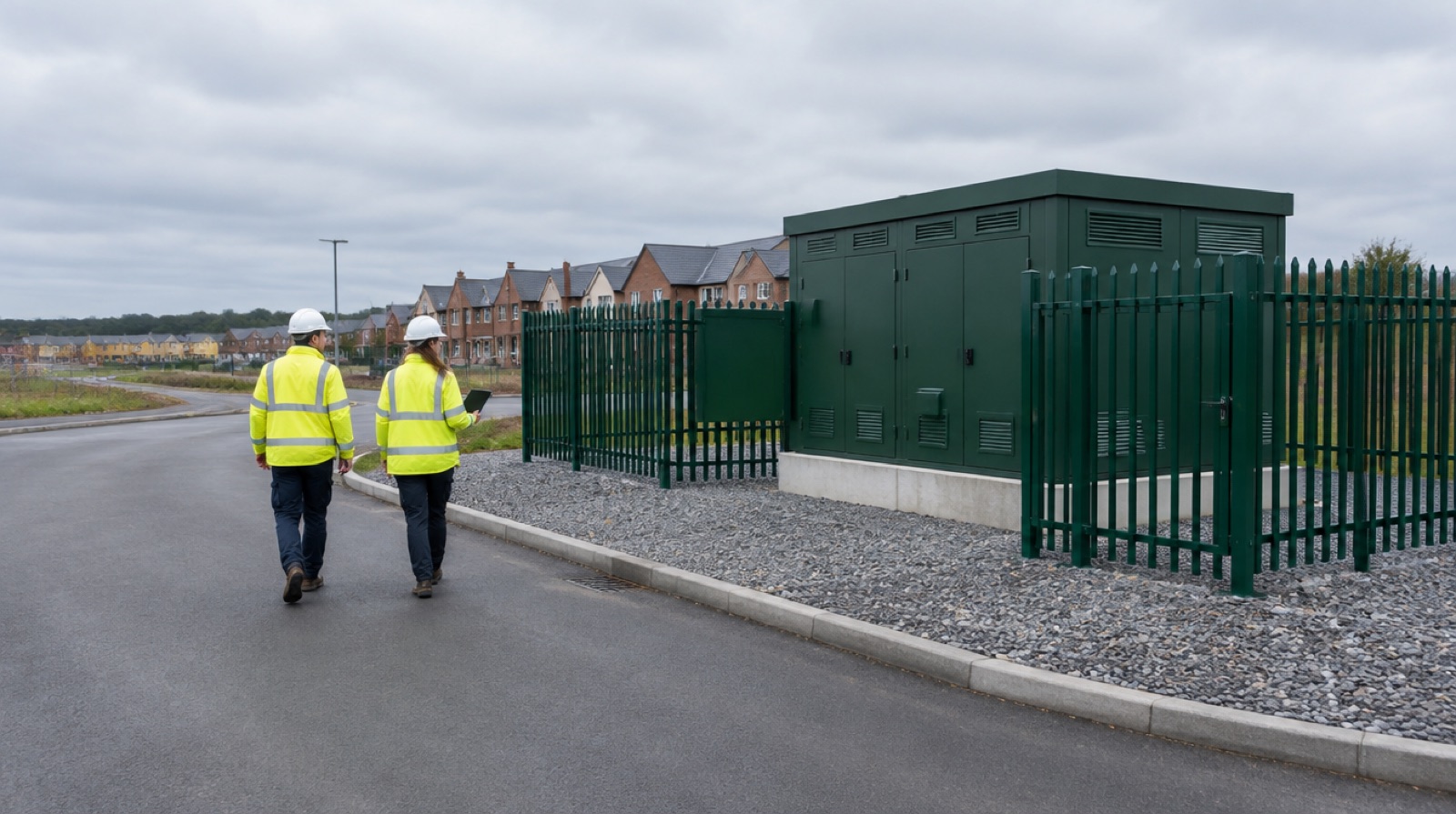
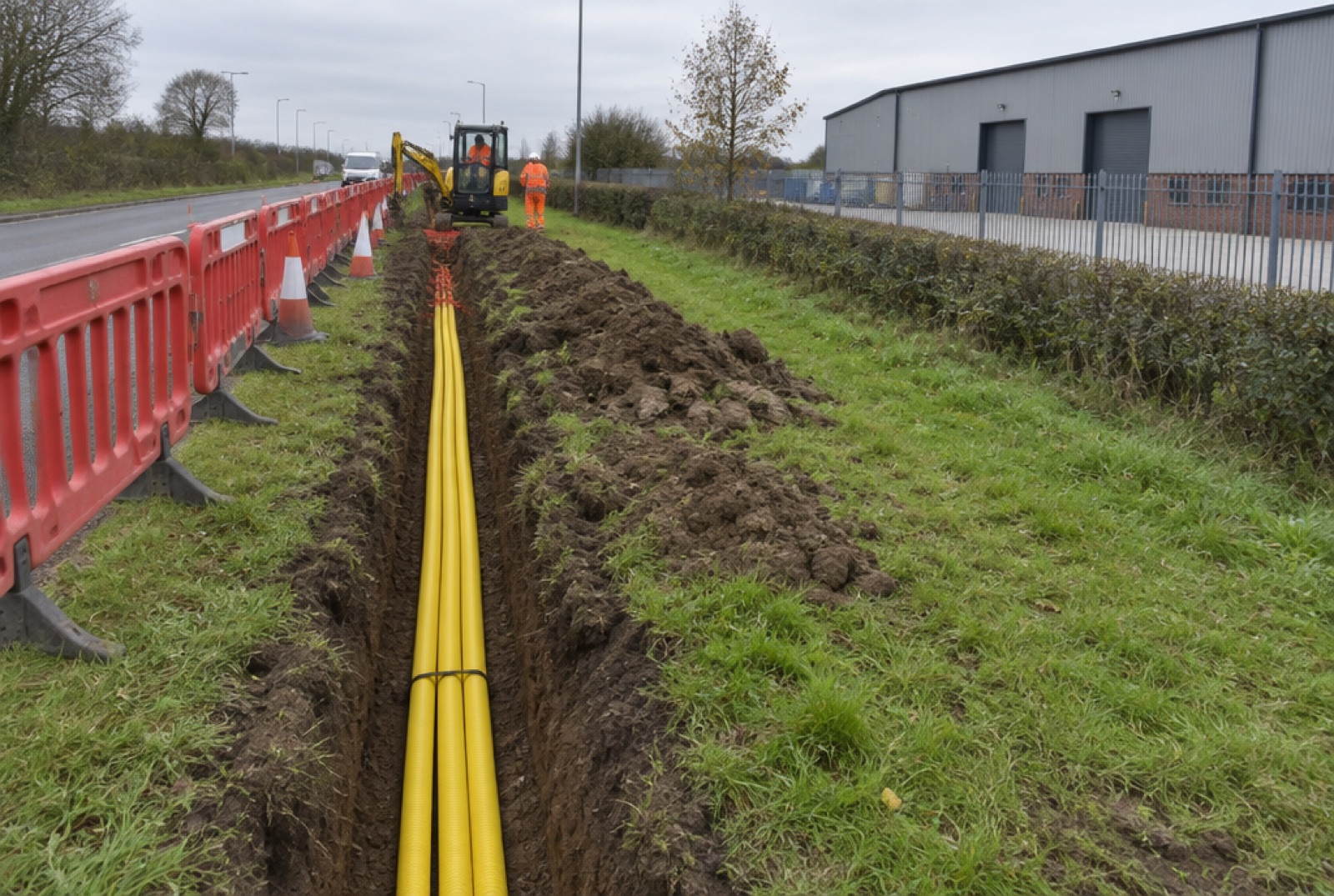
A bank of rapid chargers can need more power than the rest of the building put together, and the answer to “can we get the supply?” decides the whole scheme. Dorset Electrical Solutions is both an EV charger installer and a NERS-accredited Independent Connection Provider, so we can assess the capacity, design and build the new supply or substation, and then install and maintain the chargers behind it.
That means one contract, one programme and one team on site for fleet depots, forecourts, retail and hospitality car parks, workplaces and public charging hubs. No gap between the connection contractor and the charger contractor, and no one to argue with about whose fault a delay is.
Everything between the network and the vehicle, with a single fixed price for our works and the network operator’s charges shown separately.
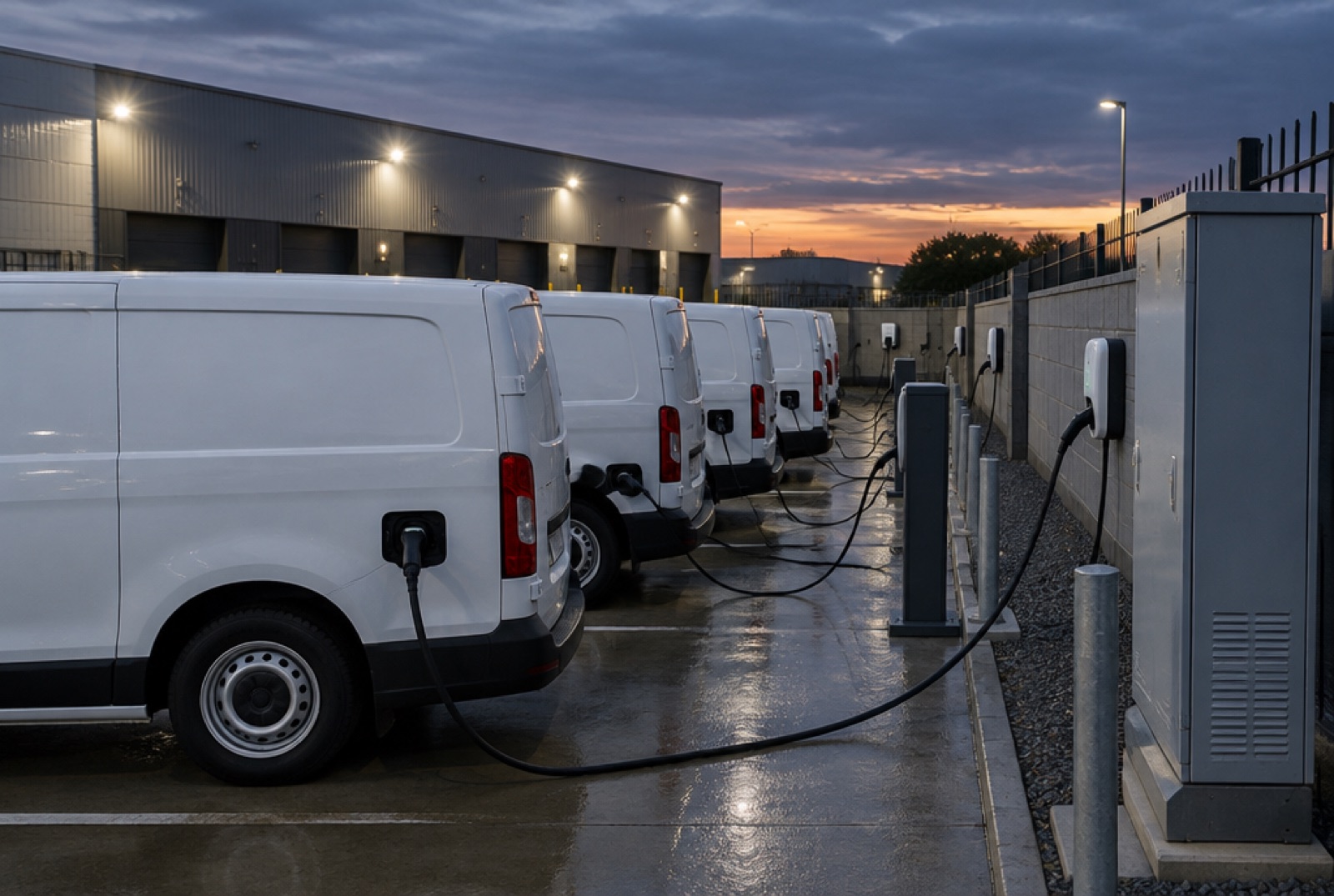
Overnight and opportunity charging for vans, HGVs and pool cars, with load management across the depot.
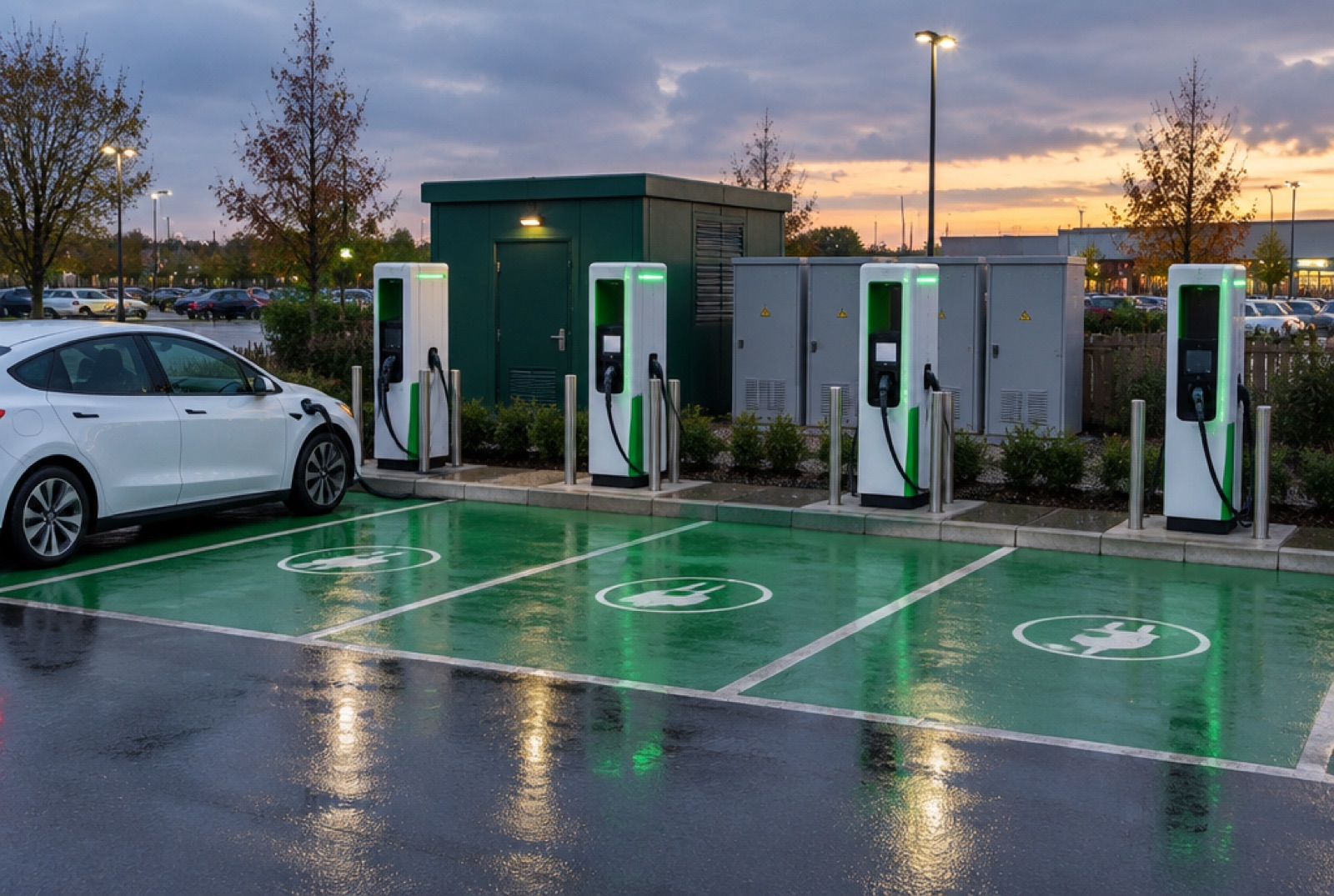
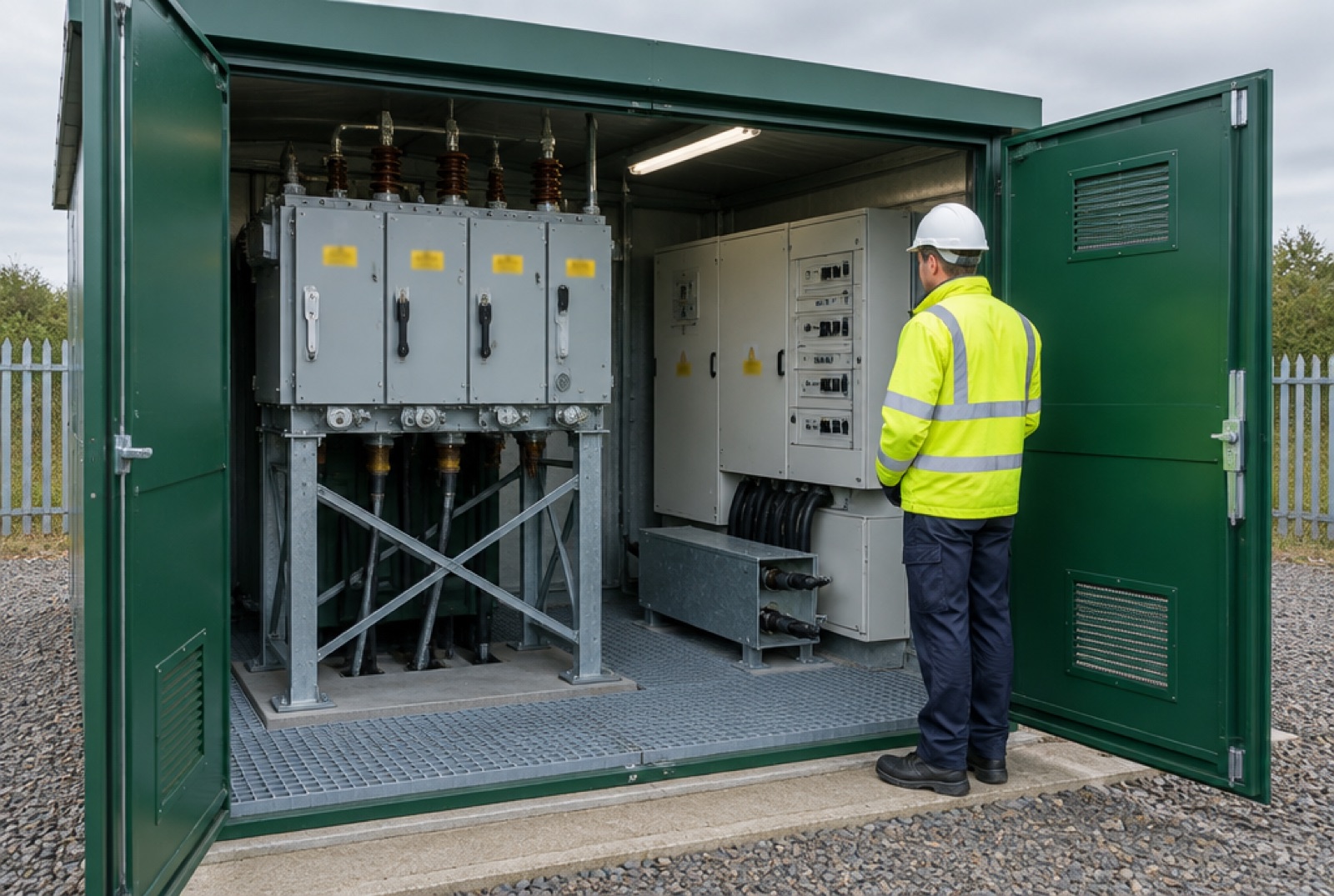
Rapid and ultra-rapid hubs that need a dedicated HV connection and substation.
Destination charging for customers and staff at supermarkets, hotels and leisure sites.
Staff charging with load management and future expansion built in.
High-power depot charging with resilient HV supplies.
Charger-ready plots and shared car-park charging on new-build sites.
Council and operator-run hubs on constrained urban sites.
Showroom, workshop and customer charging on one connection.
Not every site needs a new substation. Dynamic load management shares the available capacity between chargers, so a site with a modest supply can still run a useful number of units, and a planned upgrade can sometimes be deferred until the fleet grows. But load management cannot create power that is not there, and on a rapid hub it simply slows everyone down.
We model both options at feasibility, with the capital cost of each and the charging you would actually get, so you can decide with the numbers in front of you rather than guessing.
Most charging sites grow. A workplace that starts with six chargers often needs twenty within five years, and a depot that electrifies its vans will later electrify its HGVs. Designing the infrastructure for that growth from the start costs little extra and avoids digging up a finished car park.
We plan the ducting, feeder pillars, switchgear and connection capacity in phases: enough for what you install now, with spare ways, duct runs and a clear upgrade path for later. Where the grid connection is the limit, we look at battery storage and solar alongside it, because we install both.

How many chargers, at what power, now and in five years, and how they will be used.
Feasibility, network operator application and a fixed price for the connection.
Connection works, car-park cabling, feeder pillars and charger installation.
Commissioning, energisation, back-office set-up and maintenance.
A rough guide. The local network decides in the end, which is what the feasibility stage confirms.
| Charging scheme | Typical demand | Usual connection route |
|---|---|---|
| 4 to 8 × 7kW workplace chargers | 30 to 60kVA | Existing three-phase supply, often with load management |
| 10 to 20 × 22kW destination chargers | 100 to 250kVA | Three-phase supply upgrade or new LV supply |
| Fleet depot, 20 to 40 vans overnight | 150 to 400kVA | New LV supply or small substation, with load management |
| 2 to 4 × 150kW rapid chargers | 300 to 600kVA | Dedicated 11kV connection and package substation |
| Rapid hub, 6 or more × 150 to 350kW | 1MVA and above | 11kV connection, substation and possibly reinforcement |
Send us the charger specification and the site plan. We will confirm whether the existing supply can support them and what the connection route looks like before the units arrive.
Often, once you go beyond a handful of 50kW units. Whether the existing low-voltage network can cope depends on what is available locally, which is exactly what the feasibility stage confirms before you commit.
Sometimes. Dynamic load management shares the available capacity between chargers and can defer an upgrade, but it cannot create power that is not there. We model both options so you can compare the cost.
We can advise on the current workplace and fleet charging schemes and provide the documentation the applications need.
Yes. We offer maintenance for both the connection and the chargers, so one call covers everything.
A workplace scheme on an existing supply can be live in a few weeks. A rapid hub with a new substation is typically five to seven months from enquiry to energisation, most of it waiting on the network operator and equipment lead times, which we start early.
Yes. We install ducting, feeder pillars and switchgear with spare ways so that additional chargers can be added later without digging up the car park again.
You own the chargers. The new supply or substation is normally adopted by the network operator and maintained at no cost to you, unless you choose to keep a private HV network. We explain the options at feasibility.
Tell us the site, the vehicles and the number of chargers you have in mind, and we will check the capacity.
Independent Connection Provider services · new electricity connections & three-phase supplies · substation installation & HV connections · G99 applications & solar grid connections · housing development connections · electricity disconnections & cable diversions · our guide: what is an ICP?
We also install commercial solar PV, battery storage and EV chargers, and provide commercial electrical services across Poole, Bournemouth, Wimborne and the wider Dorset, Hampshire and Wiltshire area.
Leave your details and we’ll call you back — usually the same day.
★ 5.0 Google · NAPIT approved · Fully insured