
A plain-English guide to Independent Connection Providers, contestable works, NERS accreditation and when it pays to use one.

An Independent Connection Provider is an electrical contractor accredited to design and build new connections to the electricity network, as an alternative to the regional network operator doing the work itself. The connection is built to the same standards, approved and adopted by the network operator or an independent network owner, and your electricity supply then works exactly as it would otherwise.
If you have ever asked the network operator for a new supply, you will know the process can feel slow and opaque. What many developers and business owners do not realise is that most of the work can be carried out by an accredited contractor instead, on their programme rather than the operator’s.
The DNO (Distribution Network Operator) owns and runs the regional electricity network. Across most of Dorset, Hampshire and Wiltshire that is SSEN; further west it is National Grid Electricity Distribution. The DNO is the default provider of new connections and is the only organisation allowed to work on its own existing network.
An ICP (Independent Connection Provider) is a contractor accredited under the National Electricity Registration Scheme (NERS) to design and build new connections that will be adopted onto the network. Dorset Electrical Solutions is an ICP.
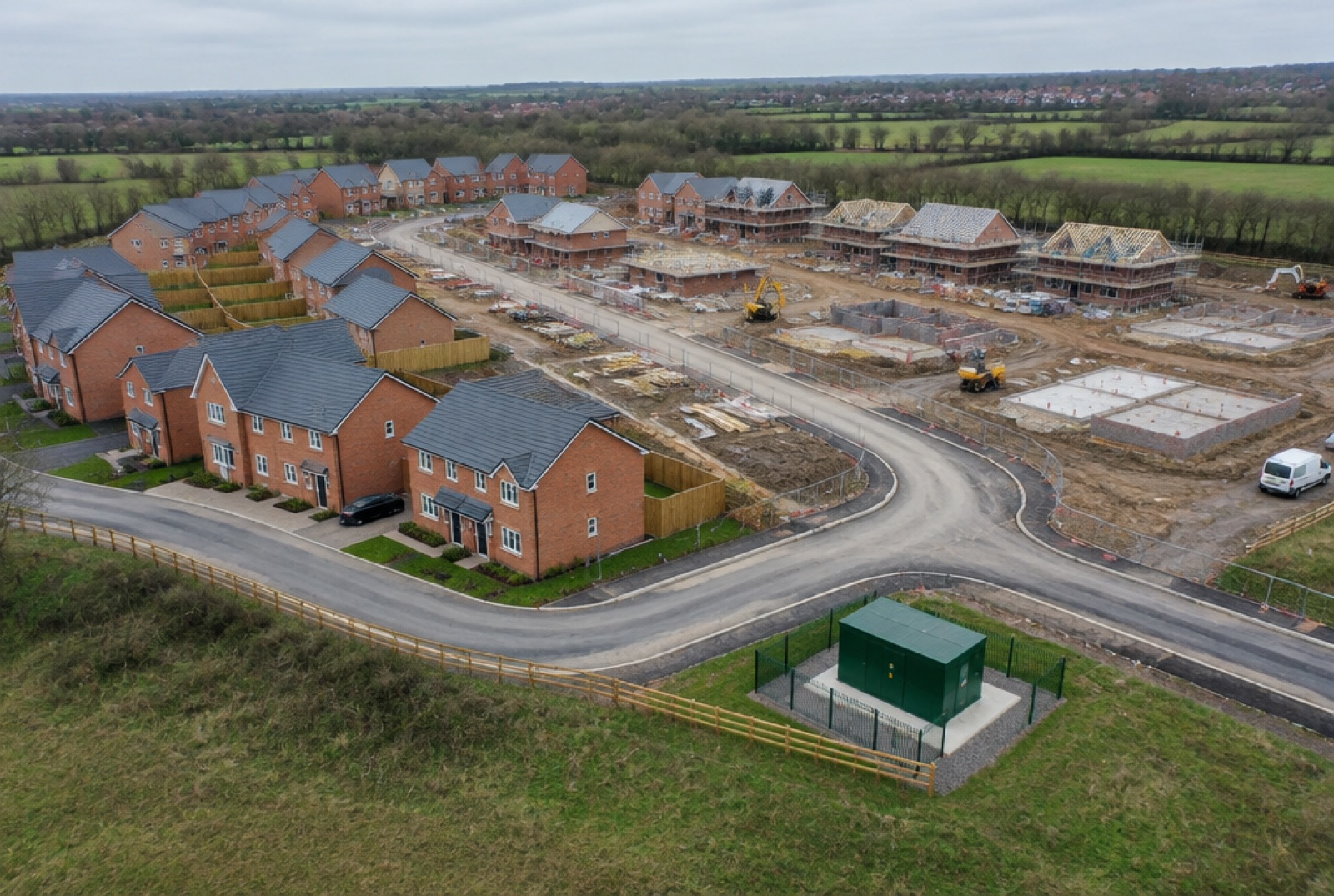
An IDNO (Independent Distribution Network Operator) is a licensed company that can own and operate the new network inside a DNO’s area, typically on housing and mixed-use developments. IDNOs do not build networks; they partner with ICPs and often pay the developer an asset value when they adopt one.
Every new connection splits into two parts.
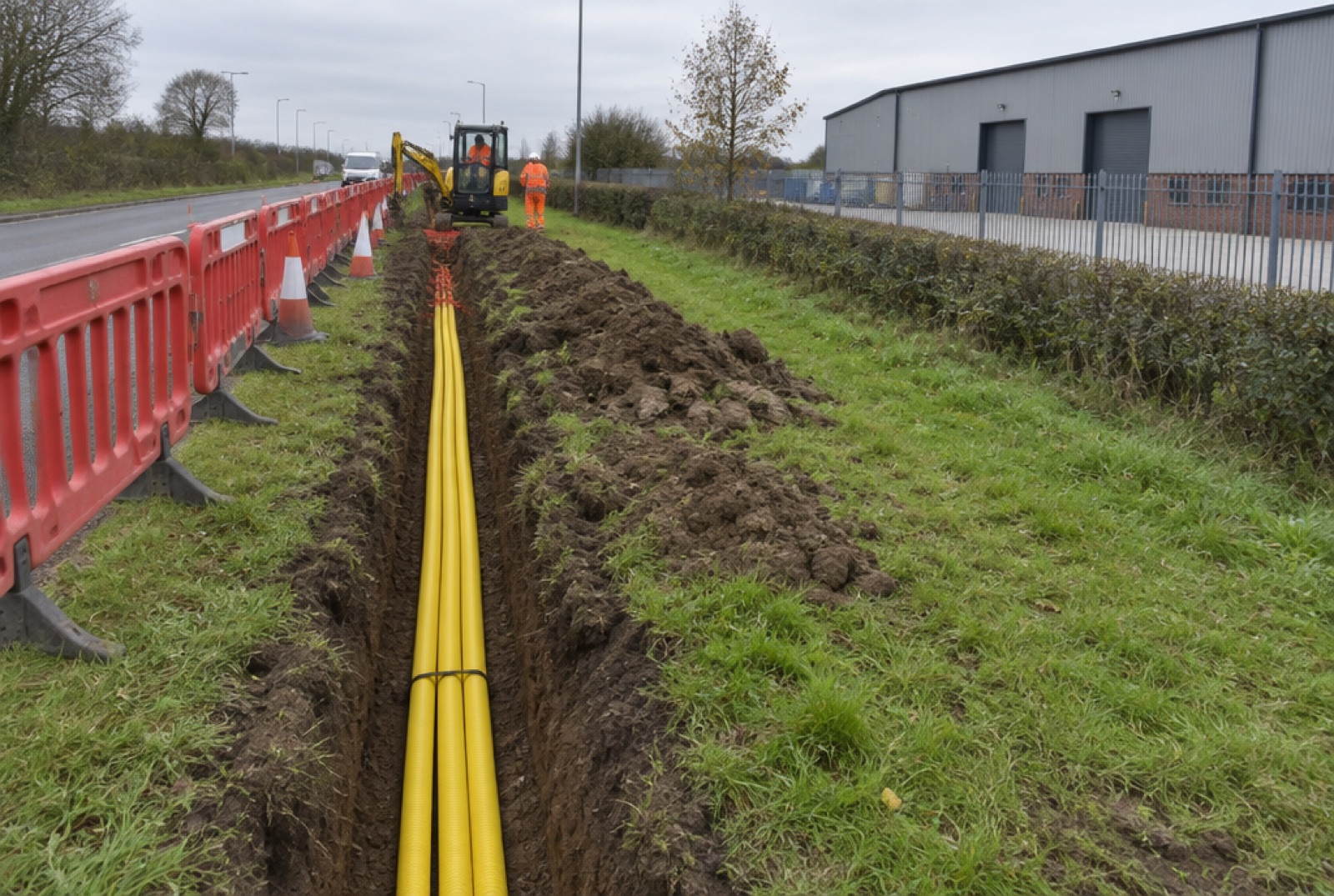
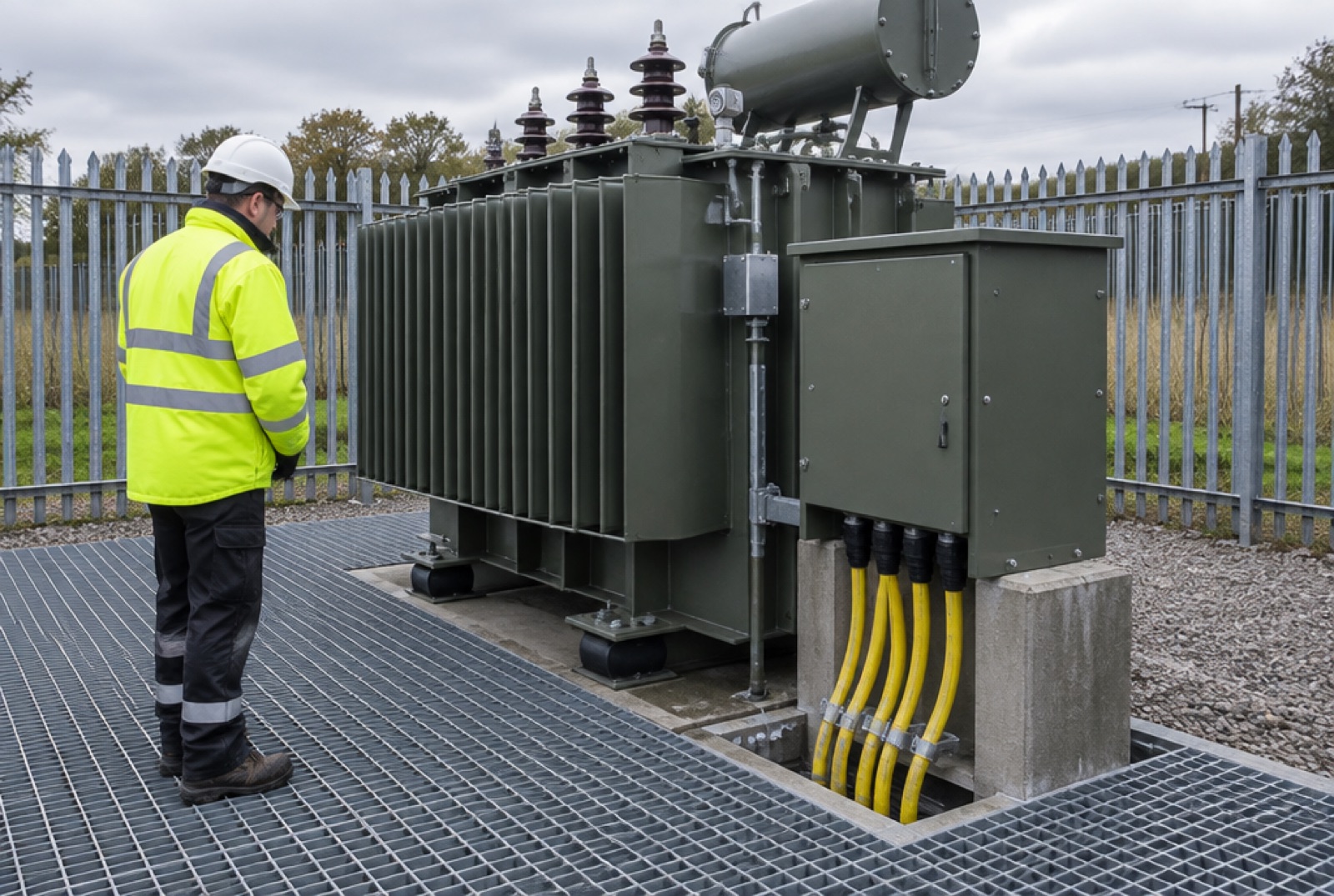
Contestable work is anything that can be carried out by an ICP: the design of the connection, trenching and ducting, cable laying, substation and transformer installation, jointing and, with the right accreditation, the final connection to the network.
Non-contestable work stays with the DNO: assessing the impact of your connection on its existing network, any reinforcement of that network, approving the point of connection and any work on its existing assets. The DNO charges for these separately, whoever does the rest.
When you ask the DNO for a quote, it will offer to do everything. When you use an ICP, the ICP prices the contestable work, obtains the DNO’s non-contestable quote and manages both.

| Activity | Contestable (ICP) | Non-contestable (DNO) |
|---|---|---|
| Assess impact on the existing network | ✓ | |
| Approve the point of connection | ✓ | |
| Reinforce the existing network | ✓ | |
| Design the new connection | ✓ | |
| Trenching, ducting and reinstatement | ✓ | |
| Cable laying and jointing | ✓ | |
| Substation civils and installation | ✓ | |
| Final connection to the live network | ✓ with the right scope | ✓ otherwise |
| Adopt and maintain the finished assets | ✓ DNO or IDNO |
NERS is the scheme the DNOs use to check that an independent provider is competent to work on connections that will be adopted onto their networks. It is operated by LRQA and covers specific activities and voltage levels, such as design, cable laying, jointing and substation installation. Providers can only carry out the work covered by their registration, and they are audited to keep it.
Before appointing any ICP, ask to see its NERS scope and check it on the public register. A contractor working outside its scope cannot have its work adopted, which leaves you with a connection the network operator will not energise.
For a very small job with no programme pressure, the DNO’s standard service may be perfectly adequate. Where the connection is almost entirely non-contestable, for example a simple service alteration on an existing cable, an ICP adds little. We will tell you when that is the case.
Once the new assets are energised they are adopted by the DNO or an IDNO under an adoption agreement and maintained by them, exactly as if the DNO had built them. A customer can choose to keep a private HV network instead, in which case a maintenance contract is needed.
Send us the site address, a plan and the load or export you need, as early in the project as you can. A feasibility check is inexpensive and tells you what the network can offer before you commit to a layout.
The place on the existing network where your new connection joins it. Determined or approved by the DNO.
The contract under which the DNO or IDNO takes ownership of the assets an ICP has built, and becomes responsible for maintaining them.
A payment an IDNO may make to a developer in return for adopting a new network, reflecting the income the IDNO will earn from it.
The engineering recommendations that govern connecting generation, such as solar PV or batteries, to the distribution network. G98 covers small systems; G99 covers everything else.
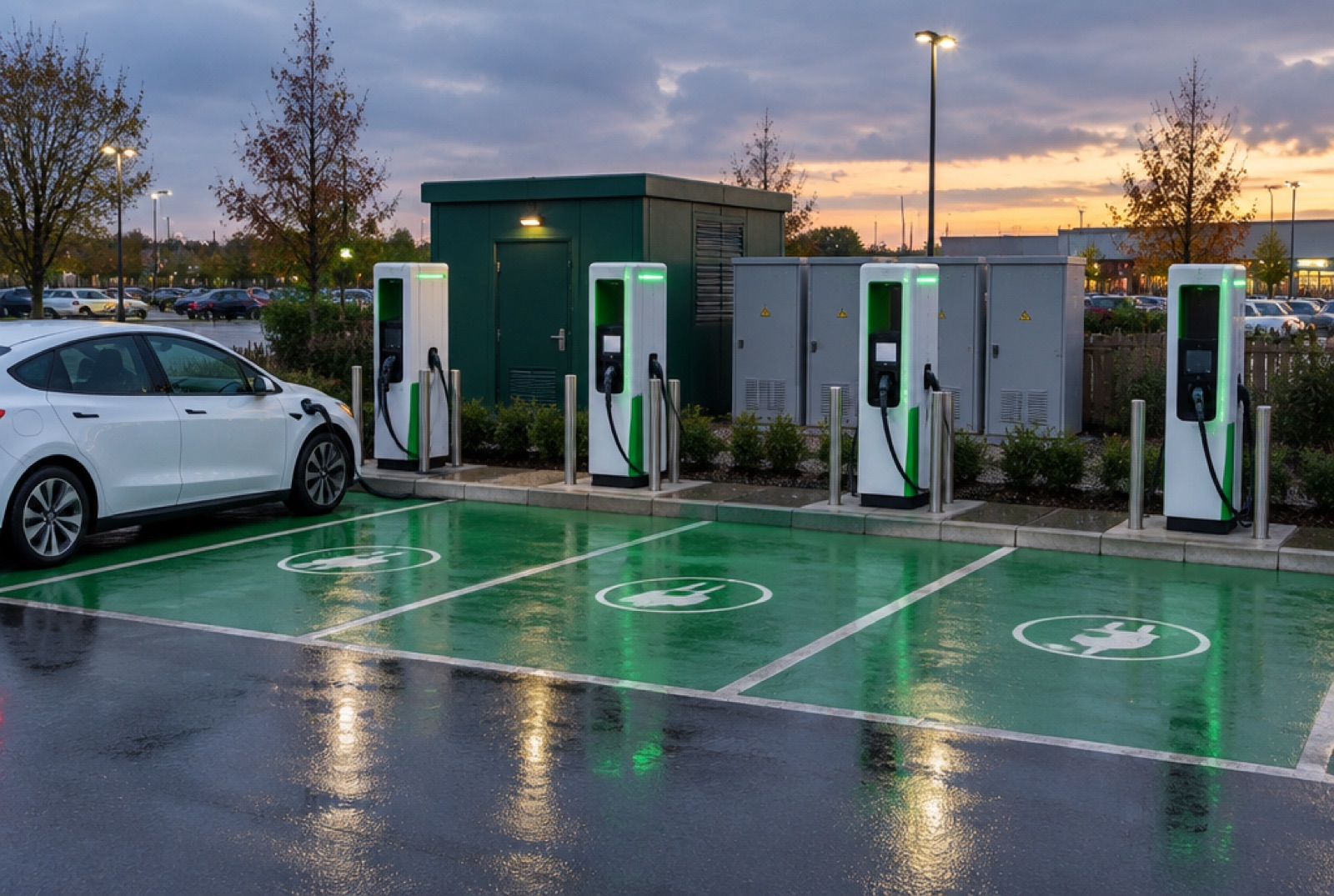
Units of apparent power used to size supplies. 1MVA equals 1,000kVA. A typical house is supplied at up to 23kVA; a rapid EV charger can draw 150kVA or more.
Meter Point Administration Number: the unique reference for a supply point, needed before a meter can be fitted and a supplier appointed.
Work the DNO carries out on its existing network to create capacity for a new connection. Always non-contestable.
Legal agreements giving the network operator the right to install and access cables and equipment on land it does not own.
No. You can accept only the non-contestable part and appoint an ICP for the rest, or ask an ICP to obtain the DNO quote on your behalf from the start.
No. It is built to the same specification, approved by the DNO or IDNO and adopted onto the network. Your electricity supplier and meter work exactly the same way.
SSEN (Scottish and Southern Electricity Networks) covers most of Dorset, Hampshire and Wiltshire. National Grid Electricity Distribution covers the South West further west. We work with both.
Yes, although for a single house the saving is usually small. ICPs make the biggest difference on commercial sites, developments and anything with a programme to protect.
NERS (the National Electricity Registration Scheme) is the accreditation the network operators require before an independent contractor can design or build connections that will be adopted onto their networks. It is run by LRQA and covers specific activities and voltage levels, and any provider can be checked on the public NERS register.
The DNO owns and runs the regional electricity network and can build new connections itself. An ICP is an accredited contractor that designs and builds the contestable part of a new connection as an alternative to the DNO. Either way, the finished connection is adopted by the DNO or an IDNO.
Tell us about the site and we will explain the options in plain English.
Independent Connection Provider services · new electricity connections & three-phase supplies · substation installation & HV connections · EV charging grid connections · G99 applications & solar grid connections · housing development connections · electricity disconnections & cable diversions
We also install commercial solar PV, battery storage and EV chargers, and provide commercial electrical services across Poole, Bournemouth, Wimborne and the wider Dorset, Hampshire and Wiltshire area.
Leave your details and we’ll call you back — usually the same day.
★ 5.0 Google · NAPIT approved · Fully insured