
11kV connections, package and bespoke substations, transformers and switchgear for sites that have outgrown the low-voltage network.

Larger sites, EV hubs, generation and industrial processes usually need a high-voltage connection with a substation on site. As a NERS-accredited Independent Connection Provider, Dorset Electrical Solutions designs and builds the 11kV connection and the substation that goes with it, and arranges the network operator’s point of connection so the whole scheme is delivered as one project.
Substations are supplied as packaged GRP or steel units for speed, or built to suit the site where space, access or architecture demand it. Either way you get a fenced, compliant installation that the network operator or an IDNO will adopt, or that you can keep as a private network with our maintenance behind it.
From the first network study to the switching programme on energisation day, the project is run by one DES project manager with our own engineers on site.
Manufacturing, cold storage and distribution sites with large or growing loads.
Rapid-charging hubs and fleet depots that outgrow the local low-voltage network.
Commercial solar and battery schemes exporting at high voltage.
Developments where a new distribution substation is the cheapest route to capacity.
Campuses that need resilient capacity for electrification.
Farms with drying, cold storage and generation on one site.
Pumping stations and process plant with large motor loads.
Sites where a dedicated HV supply is a resilience requirement.
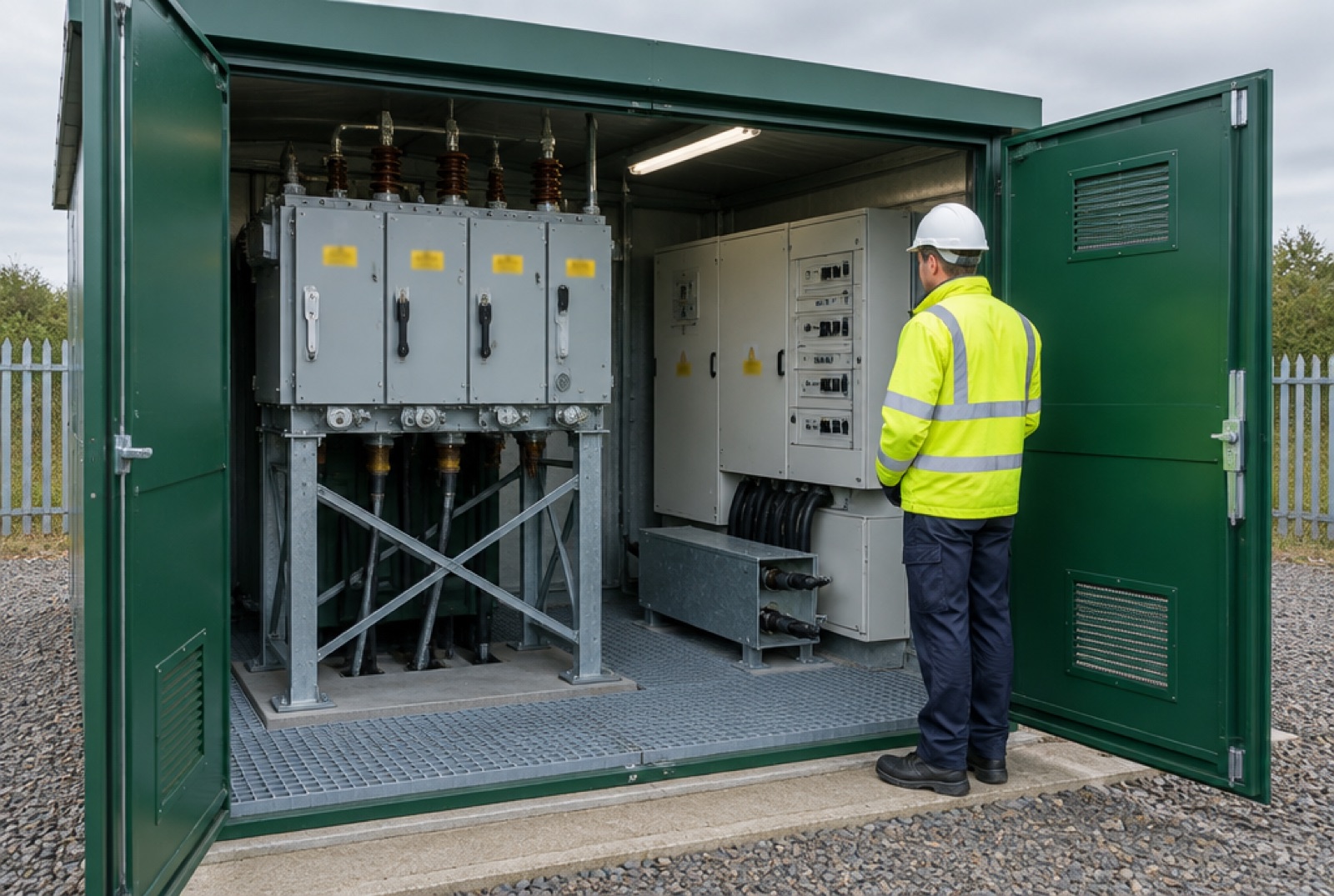
Most sites are best served by a packaged substation: a factory-built GRP or steel enclosure containing the ring main unit, transformer and LV board, craned onto a prepared plinth and connected in days rather than weeks. Where the site is constrained, visible from the street or subject to planning conditions, we design brick or timber-clad housings, indoor switchrooms or split arrangements with the transformer in a separate compound.
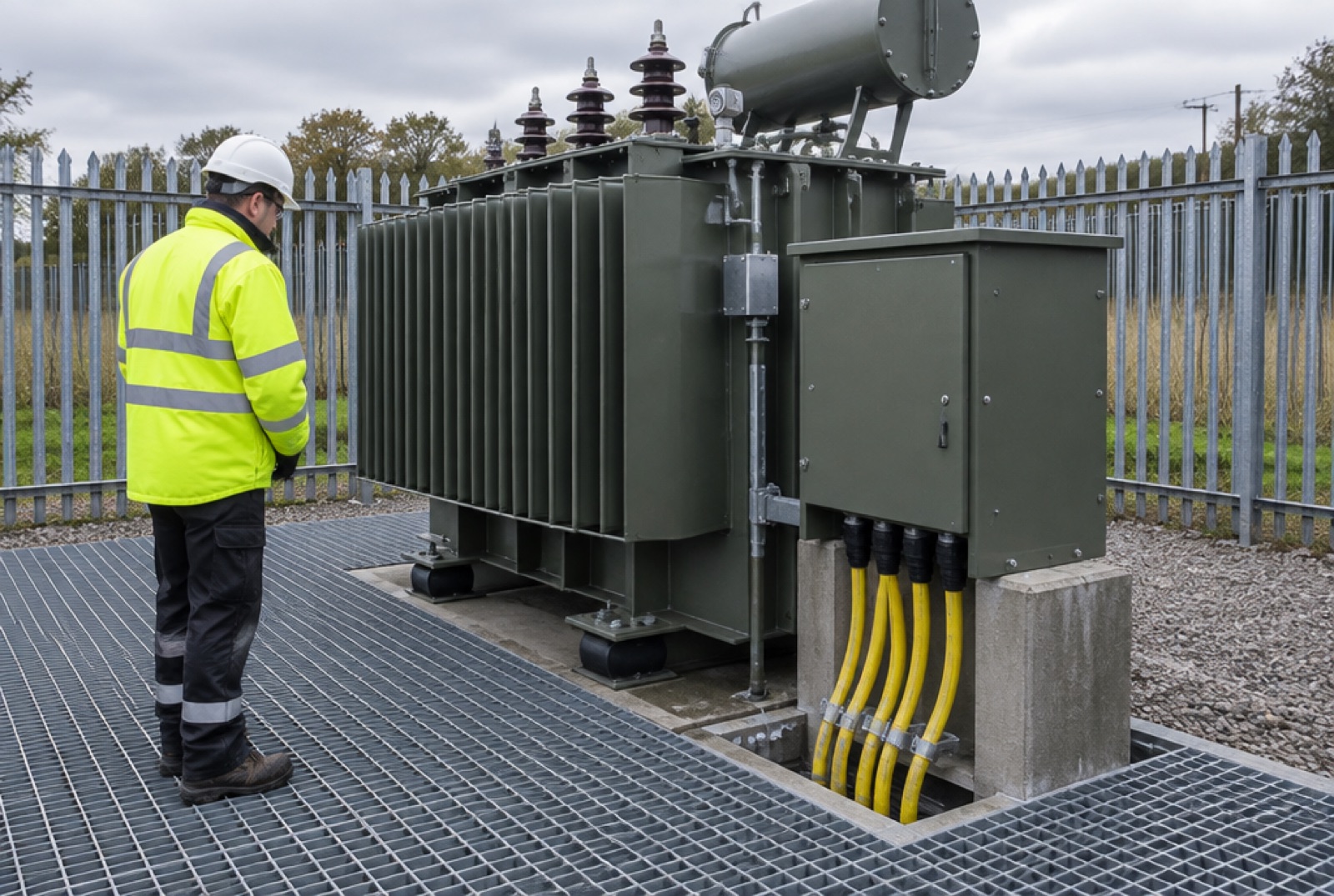
We size the transformer for the load you have and the load you are planning, and we design the LV side so that future chargers, generation or extensions can be added without touching the HV equipment.
If your site keeps ownership of its substation, the legal responsibility for keeping it safe sits with you. High-voltage switchgear and transformers need periodic inspection, testing and maintenance, and competent people to operate them safely when work is needed downstream.
We provide planned maintenance for private HV networks: visual and thermographic inspections, transformer and insulation testing, switchgear servicing and protection checks, with records to support your insurance and compliance. It sits alongside our wider electrical maintenance service, so one contractor can look after the site from the HV intake to the final circuits.
Network study, connection options, substation location and a budget figure.
Point of connection from the network operator, detailed HV design, legals and a fixed price.
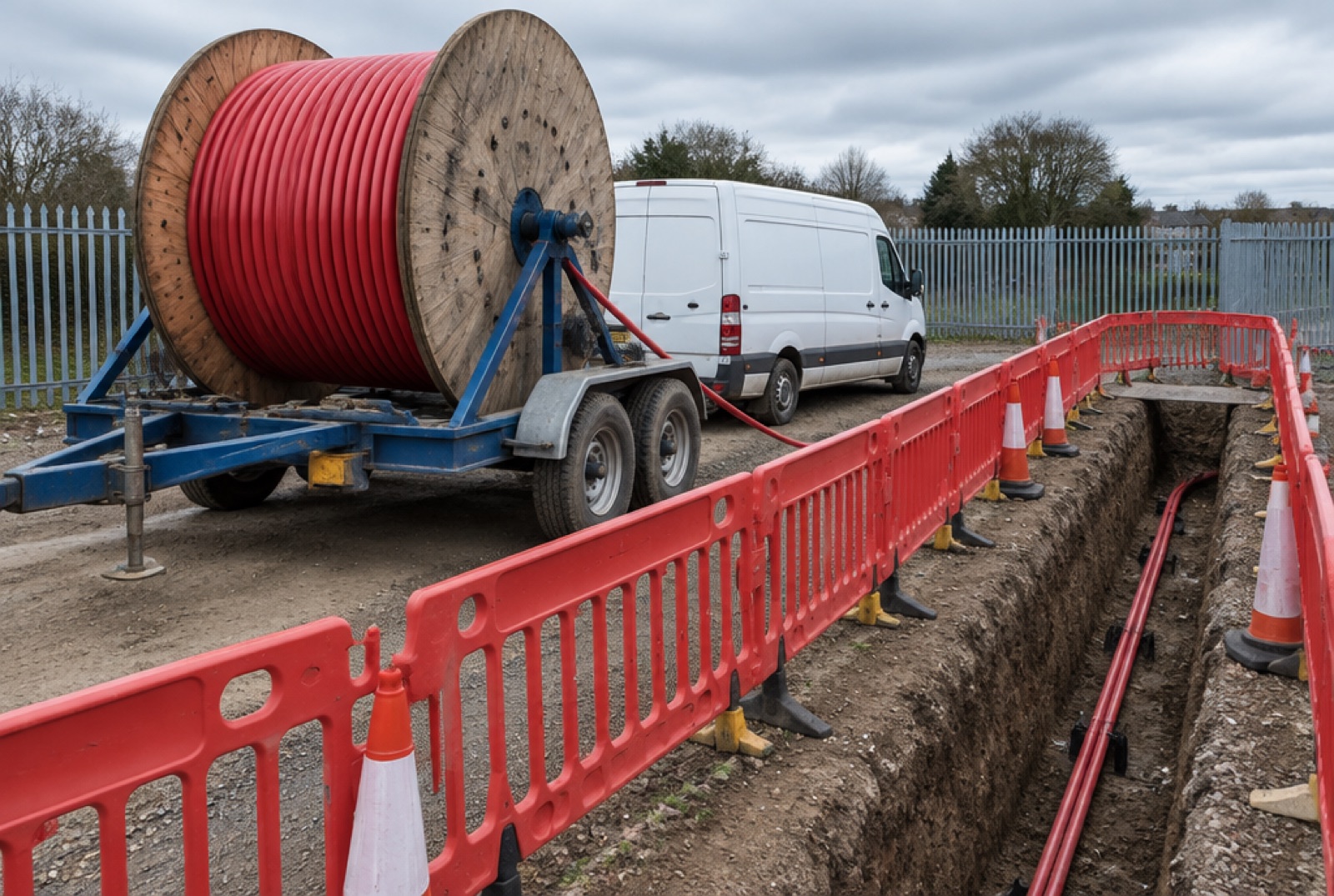
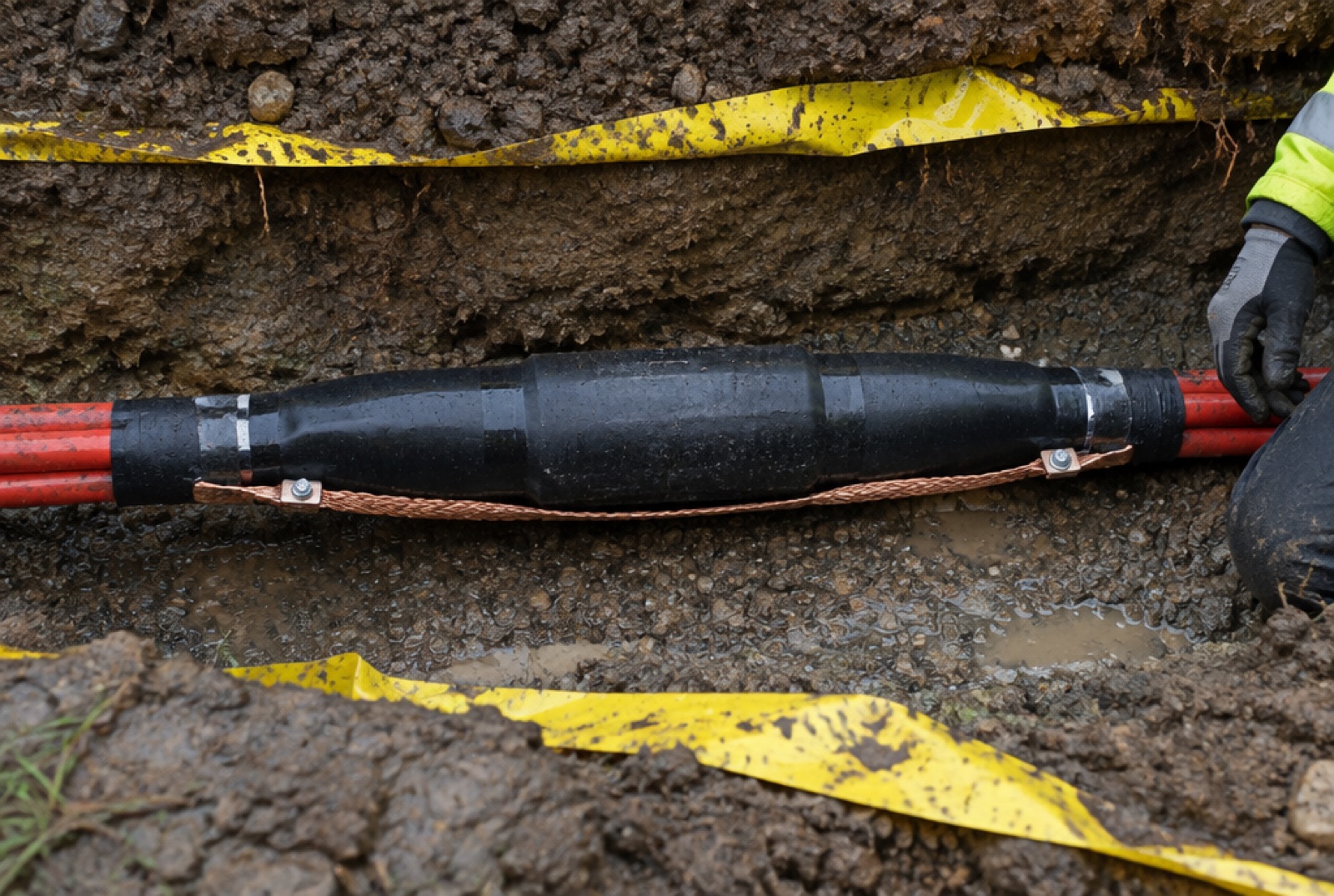
Civils, plinth, substation, HV cabling and jointing to the agreed programme.
Testing, protection commissioning, switching, energisation and handover.
HV programmes are driven by design approval, land agreements and equipment lead times. We order long-lead items as soon as the design is approved.
| Stage | Typical duration | Notes |
|---|---|---|
| Feasibility and budget | 1 to 3 weeks | Includes a site visit and network operator enquiry |
| Point-of-connection offer | 4 to 12 weeks | Network operator response time |
| Detailed design and approval | 4 to 8 weeks | Runs alongside legals and wayleaves |
| Equipment lead time | 8 to 16 weeks | Transformer and switchgear; ordered at design approval |
| Construction and commissioning | 3 to 6 weeks on site | Civils first, then substation, cabling and jointing |
| Overall | 20 to 30 weeks | Longer where reinforcement is needed upstream |
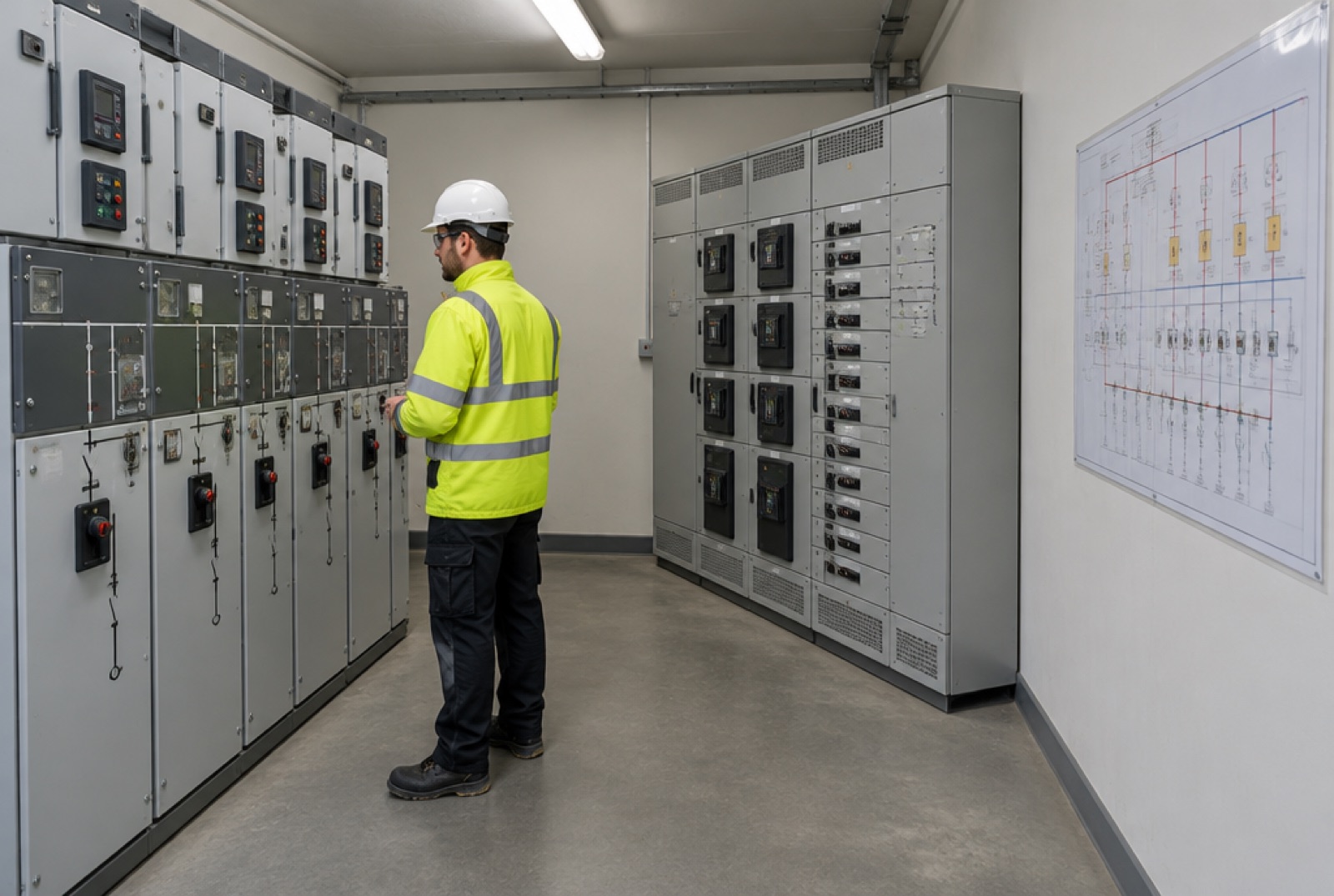
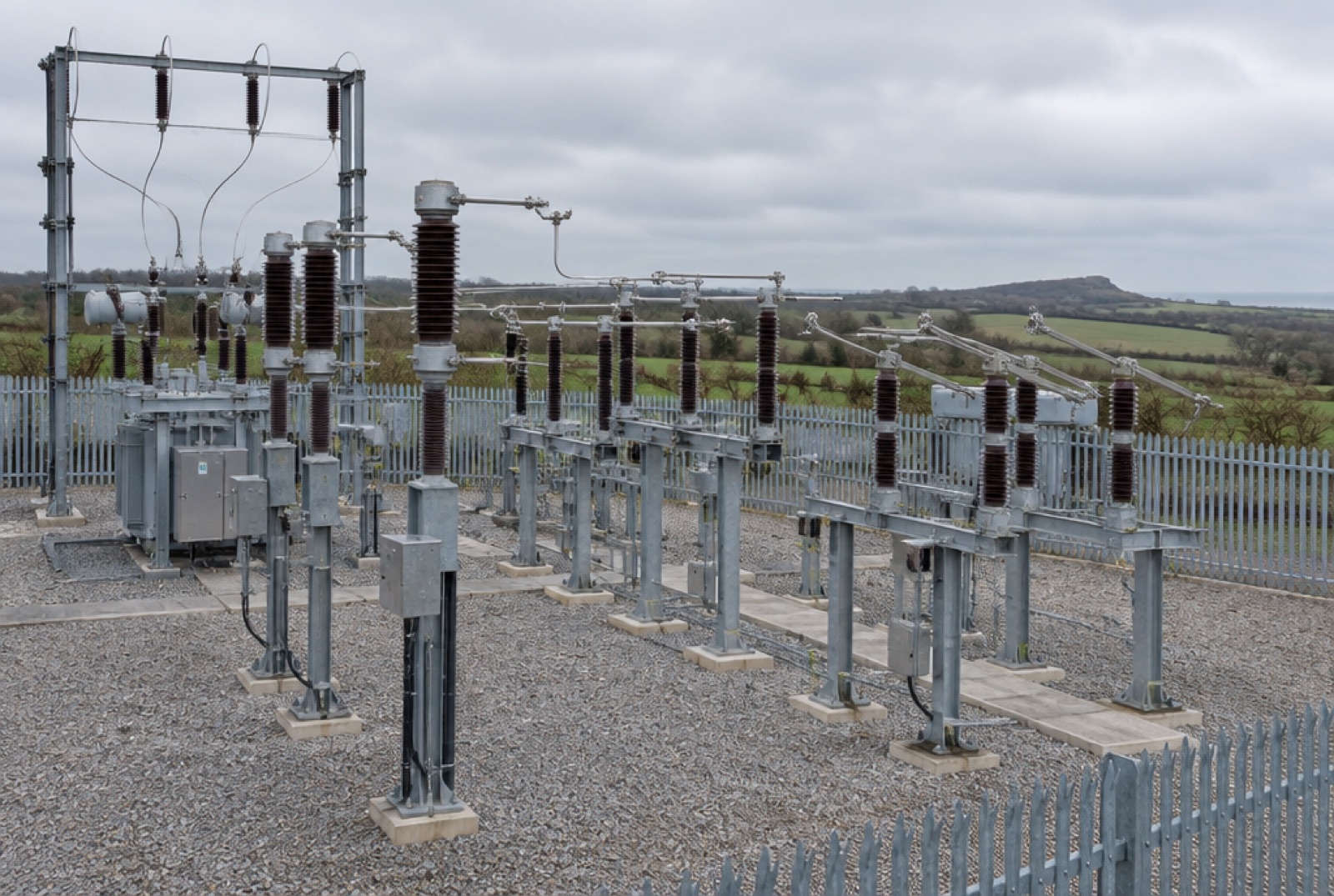
If you own the substation, you are responsible for it. We provide inspection, testing, maintenance and emergency response for private HV networks alongside our wider electrical maintenance service.
Either the network operator or an IDNO adopts it under an adoption agreement and maintains it thereafter, or you keep it as a private HV network and we look after it under a maintenance contract. We explain the cost and responsibility of each route at the design stage.
Longer than a low-voltage supply: the design approval, legals, wayleaves and equipment lead times all add up. See the timescales table above. We give you a realistic programme at feasibility and manage the long-lead items early.
Usually a small plot with 24-hour access for the network operator, close to the site boundary. We advise on the footprint and location as part of the feasibility study so it can be fixed before planning.
That comes out of the load assessment. We size for the load you have and the growth you are planning, and design the LV side so extra capacity can be added later without changing the HV equipment.
Yes. Where a site already owns its HV network we can provide inspection, testing and maintenance alongside our wider electrical maintenance service.
Yes. Brick-built, rendered and timber-clad housings are all options, and we design them to the network operator’s requirements so that adoption is not affected.
A package substation is a factory-built enclosure containing the ring main unit, transformer and low-voltage board, delivered to site ready to be craned onto a prepared plinth. It is usually the quickest and most economical way to add a distribution substation.
As a rough guide, once a site needs more than a few hundred kVA, or the local low-voltage network is already heavily loaded, an 11kV connection with its own substation becomes the practical option. We confirm which applies at feasibility.
Send us the site details and the load or export you are planning, and we will outline the options.
Independent Connection Provider services · new electricity connections & three-phase supplies · EV charging grid connections · G99 applications & solar grid connections · housing development connections · electricity disconnections & cable diversions · our guide: what is an ICP?
We also install commercial solar PV, battery storage and EV chargers, and provide commercial electrical services across Poole, Bournemouth, Wimborne and the wider Dorset, Hampshire and Wiltshire area.
Leave your details and we’ll call you back — usually the same day.
★ 5.0 Google · NAPIT approved · Fully insured