
G99 applications, export capacity negotiation and point-of-connection works, engineered together with the solar PV or battery system they serve.

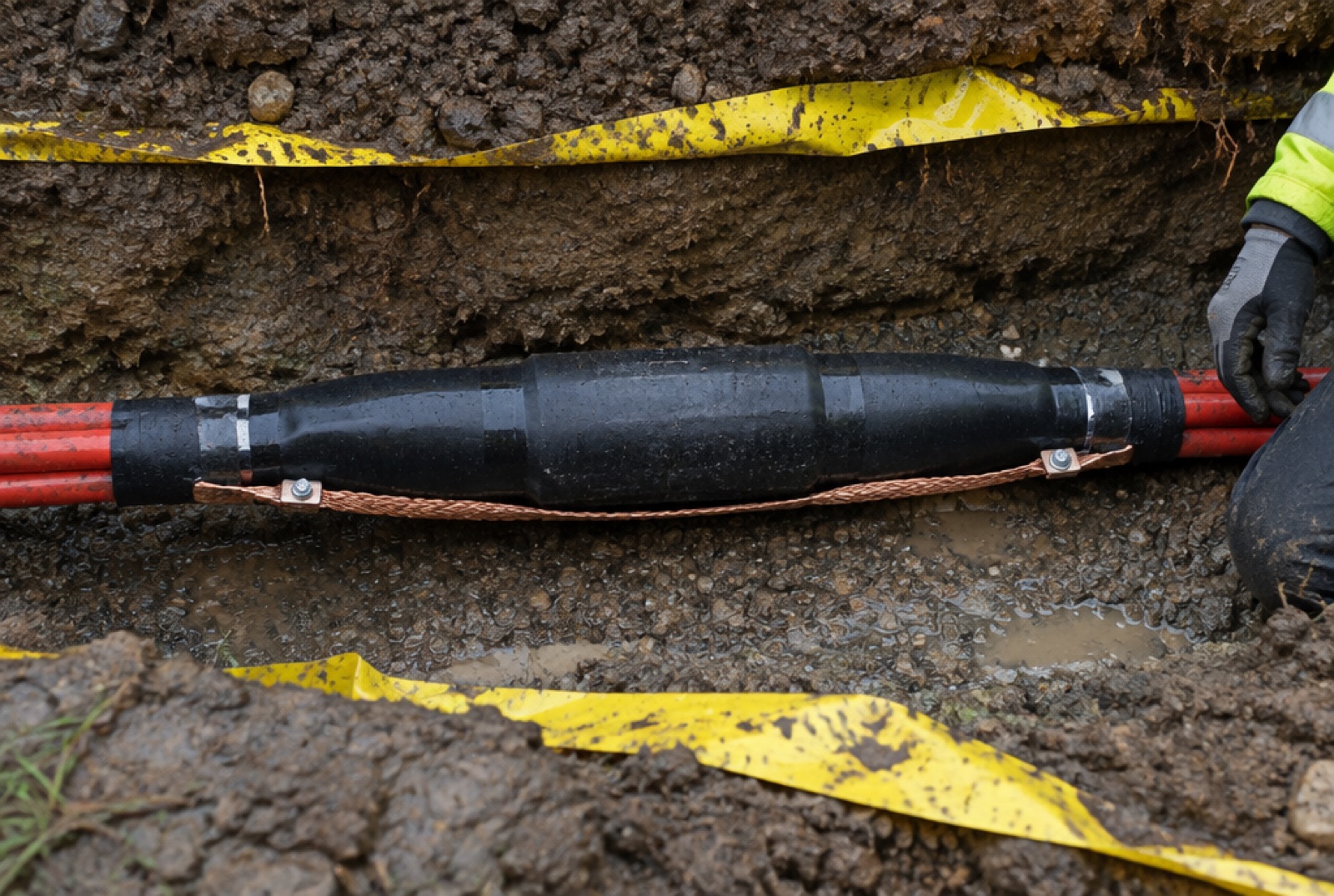
Commercial solar and battery projects live or die on the grid connection: how much you can export, what the network operator will allow and what the point-of-connection works cost. Dorset Electrical Solutions installs commercial solar PV and battery storage, and as a NERS-accredited Independent Connection Provider we can also design and build the connection itself, so the generation side and the grid side are engineered together rather than by two contractors pointing at each other.
We handle the G99 application, negotiate the export capacity, deliver the contestable works and commission the system, with operations and maintenance afterwards.
G99 is the engineering recommendation that governs connecting generation, including solar PV and battery storage, to the distribution network in Great Britain. Very small systems of up to 16A per phase fall under the simpler G98 process; almost every commercial scheme needs a G99 application approved by the network operator before it can be connected.
Before anything is submitted we look at the site’s existing supply, the local network and the export you want, so the application asks for something the network can realistically accept.
We complete and submit the application with the system design: inverter and battery specifications, single-line diagram, protection arrangements and the export capacity requested. Missing or inconsistent information is the most common cause of delay, so we make sure the pack is complete first time.
The network operator studies the impact on its network and responds with an approval or a formal connection offer setting out any works and costs. Larger schemes may need further studies before an offer is made.
Once the offer is accepted we build the connection works and install the system. Larger installations are commissioned with a witness test, where the protection settings are demonstrated to the network operator.
With commissioning complete, the installation is registered, the export MPAN and metering are set up, and the system can start generating income.
G99 also classifies generators by size: Type A covers systems from 0.8kW up to 1MW and Type B from 1MW up to 10MW, with larger schemes in Types C and D. Each type carries its own technical requirements, and we design to the right one from the start.
Generation and grid, one design, one contract. The network operator’s non-contestable charges are shown separately.
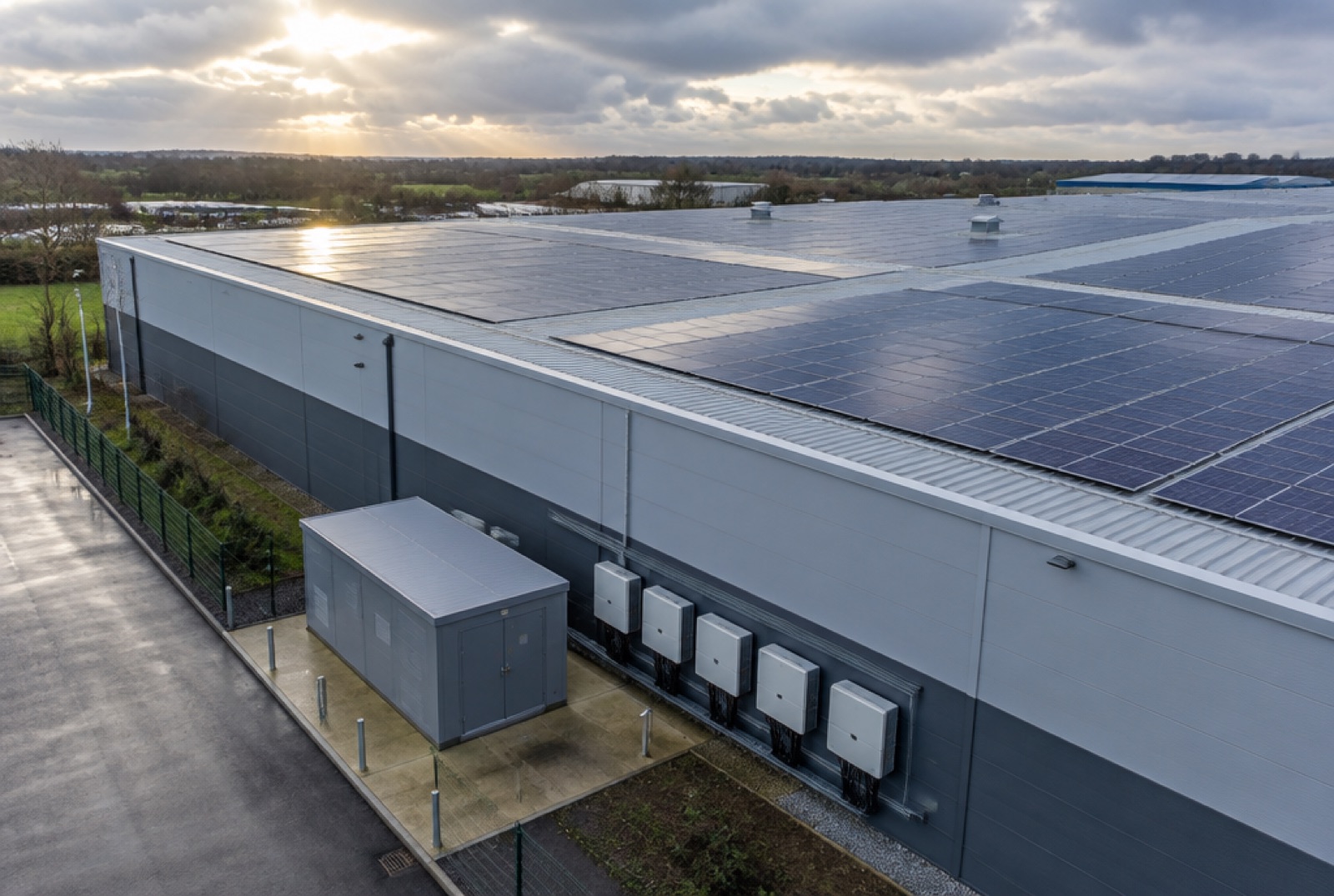
Warehouses, factories and farm buildings exporting surplus generation.
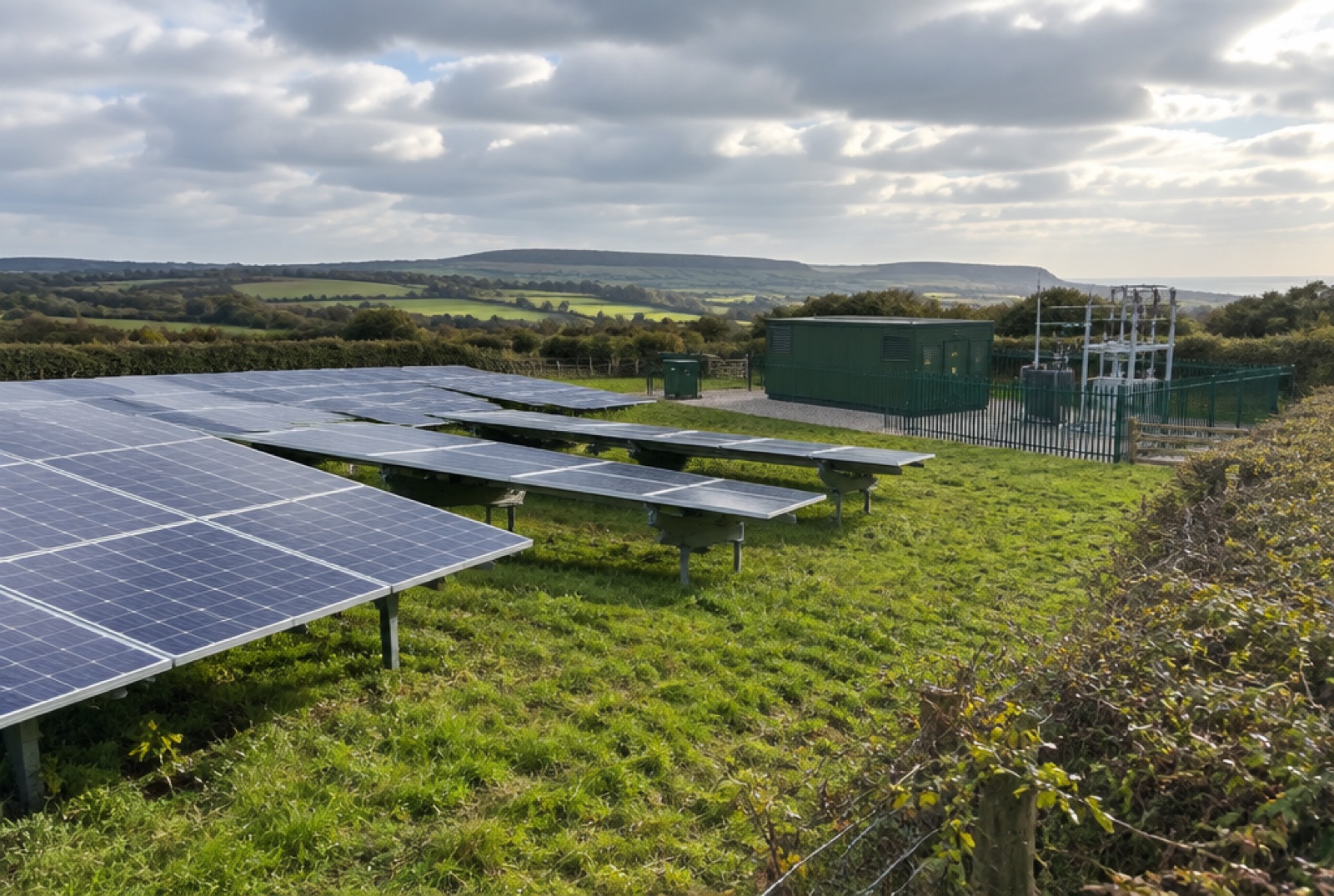
Field-scale arrays where the connection is the main constraint.
Behind-the-meter and standalone storage with import and export.
Sites combining generation, storage and charging on one connection.
Multi-tenant estates with a shared connection and private-wire supply.
Rooftop schemes with export where the summer holidays leave surplus.
Barn roofs and field arrays paired with drying, cooling and cold storage loads.
Large rooftops with high daytime self-consumption and export on the rest.
A refusal or a high reinforcement cost is not always the end of the project. Export limitation can cap the scheme at what the network will take while still displacing the site’s own consumption. Battery storage can shift export away from the times the network is constrained. A different point of connection, a phased scheme or a smaller inverter can all change the answer.
Because we design the generation and the connection together, we can test each option against the business case rather than simply accepting the first quote.
Export capacity available, connection options and a budget figure for the connection works.
Application to the network operator, connection design and a fixed price.
Connection works and the solar or battery installation, run as one programme.
Witness testing, energisation, MPAN and export registration, then O&M.
The route depends on the size of the generator and what the local network can accept. We confirm which applies at feasibility.
| Scheme size | Typical route | What it involves |
|---|---|---|
| Up to 16A per phase (about 3.7kW single-phase or 11kW three-phase) | G98 notification | Install, then notify the network operator within 28 days of commissioning |
| Up to 17kW per phase | G99 fast-track (Type A) | Simplified application, approved before connection |
| Up to 1MW | G99 full application (Type A) | Network operator assessment, connection offer, witness testing for larger systems |
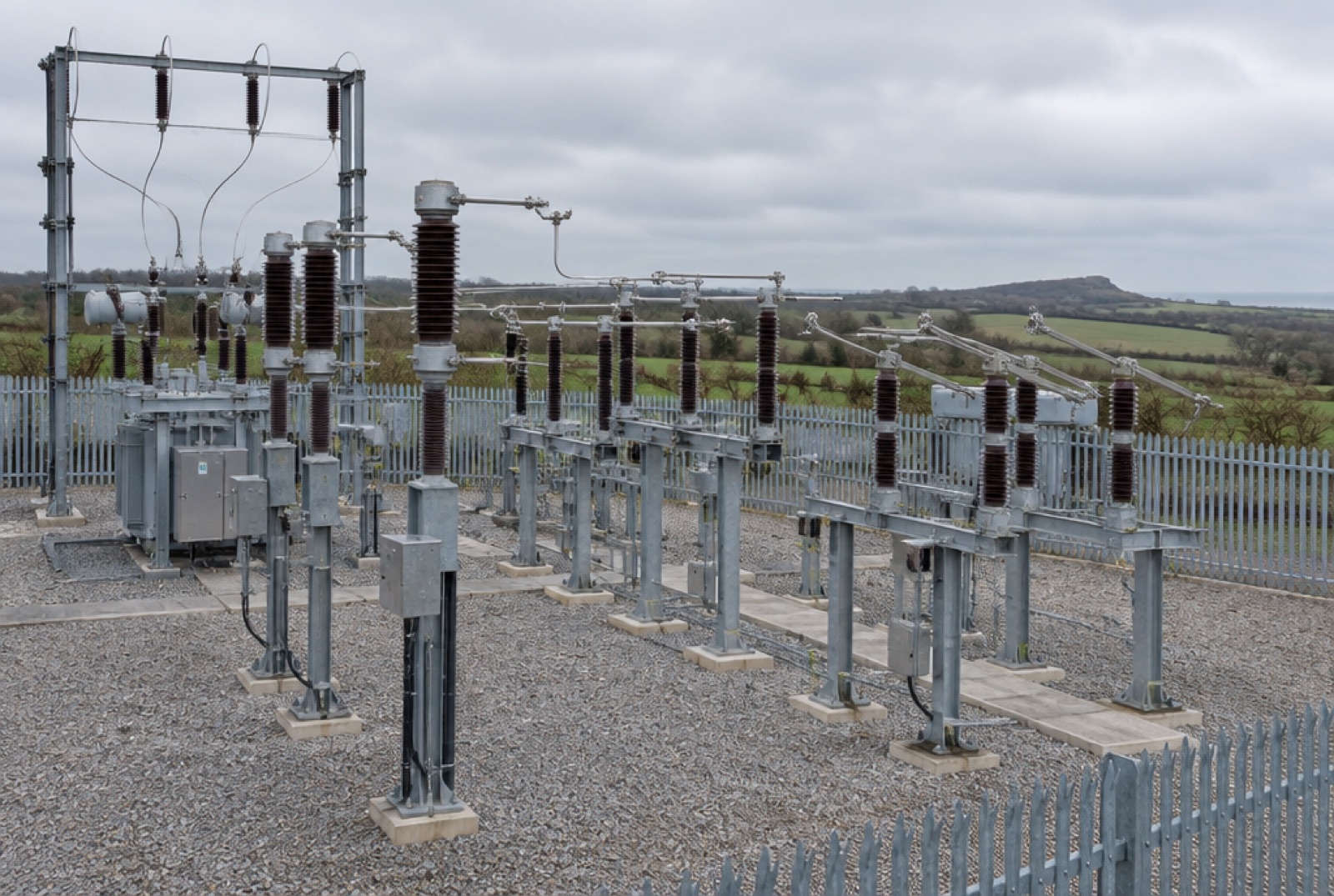
| 1MW to 10MW | G99 (Type B) | Detailed studies, usually an 11kV connection and substation |
| Battery storage, any size | G98 or G99 as above | Import capacity matters as much as export |
| Export-limited schemes | G99 with export limitation | Certified limitation scheme, set out in the application |
Before you sign, let us check what the local network will actually accept. A ten-minute capacity check can save a redesign later.
G99 is the engineering recommendation covering generation connected to the distribution network. Anything larger than a small domestic system needs a G99 application and, for larger schemes, a formal connection offer from the network operator before it can export. We prepare and manage the application for you.
Not necessarily. Options include export limitation, battery storage to shift export, a different point of connection or a phased scheme. We look at each before a project is written off.
Yes. Standalone and behind-the-meter storage schemes need the same G99 process, and the import side of the connection matters as much as the export.
Yes. Our solar PV operations and maintenance service covers the generation equipment, and we can include the connection assets where they remain in private ownership.
A rooftop scheme on an existing supply with spare export capacity can be connected in two to three months. A large scheme with a new 11kV connection is typically six to nine months, driven by the network operator’s studies and equipment lead times.
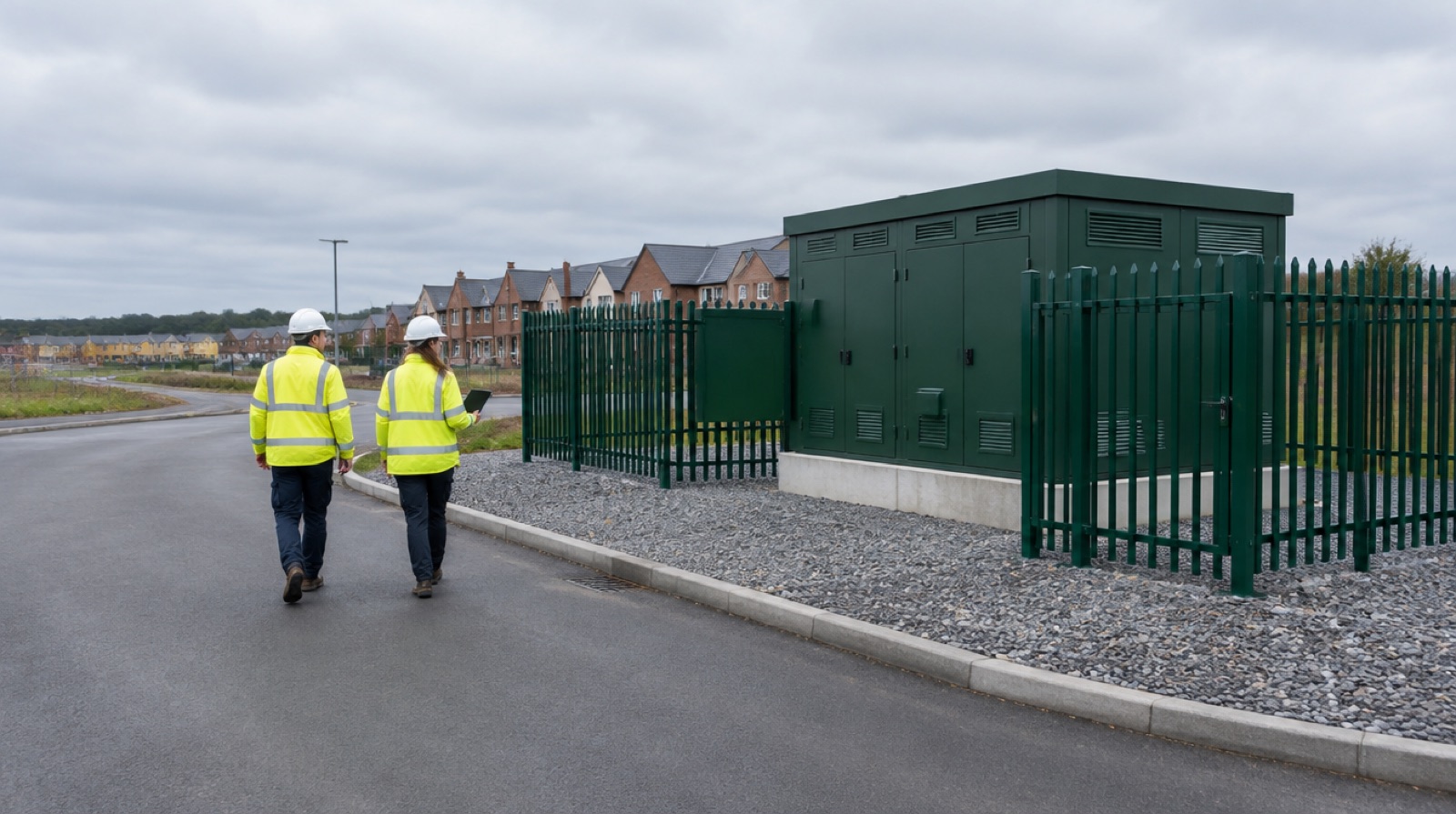
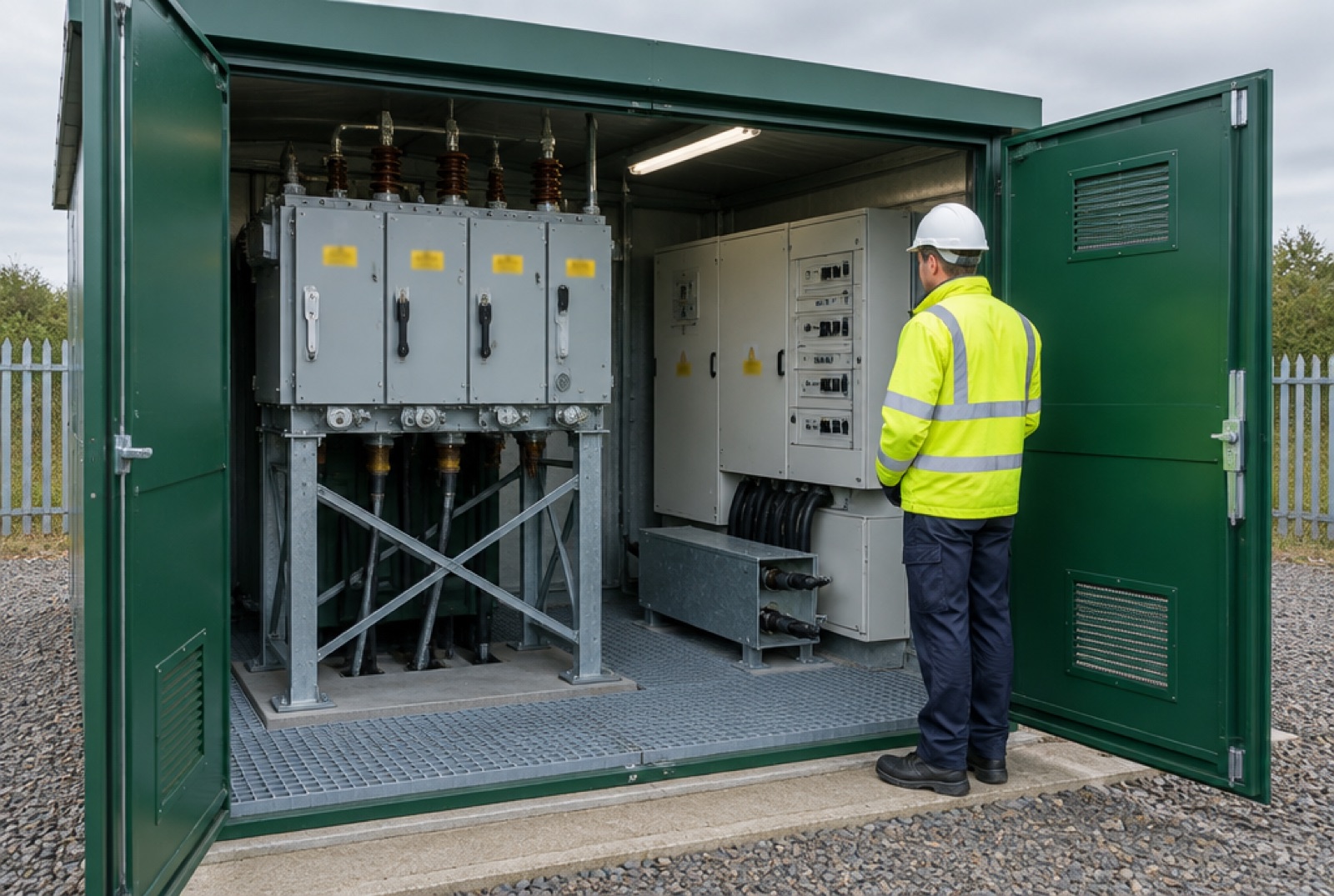
Above roughly 500kW to 1MW of export, or where the local low-voltage network is already loaded, a dedicated 11kV connection and substation is usually the answer. We confirm this at feasibility rather than after the panels are ordered.
A fast-track application for a smaller system is usually decided within a few weeks. Full applications for larger schemes take longer, because the network operator has to study the impact on its network before making a connection offer. We submit a complete pack first time to avoid avoidable delays.
G98 covers very small generators of up to 16A per phase, which can be installed first and notified to the network operator afterwards. Anything larger falls under G99 and needs approval from the network operator before it is connected.
Tell us the site and the size of the solar or battery system you are planning, and we will check what can be exported.
Independent Connection Provider services · new electricity connections & three-phase supplies · substation installation & HV connections · EV charging grid connections · housing development connections · electricity disconnections & cable diversions · our guide: what is an ICP?
We also install commercial solar PV, battery storage and EV chargers, and provide commercial electrical services across Poole, Bournemouth, Wimborne and the wider Dorset, Hampshire and Wiltshire area.
Leave your details and we’ll call you back — usually the same day.
★ 5.0 Google · NAPIT approved · Fully insured