
Mains, plot services and substations for developments of every size, adopted by the network operator or an IDNO, with the asset value passed to you.

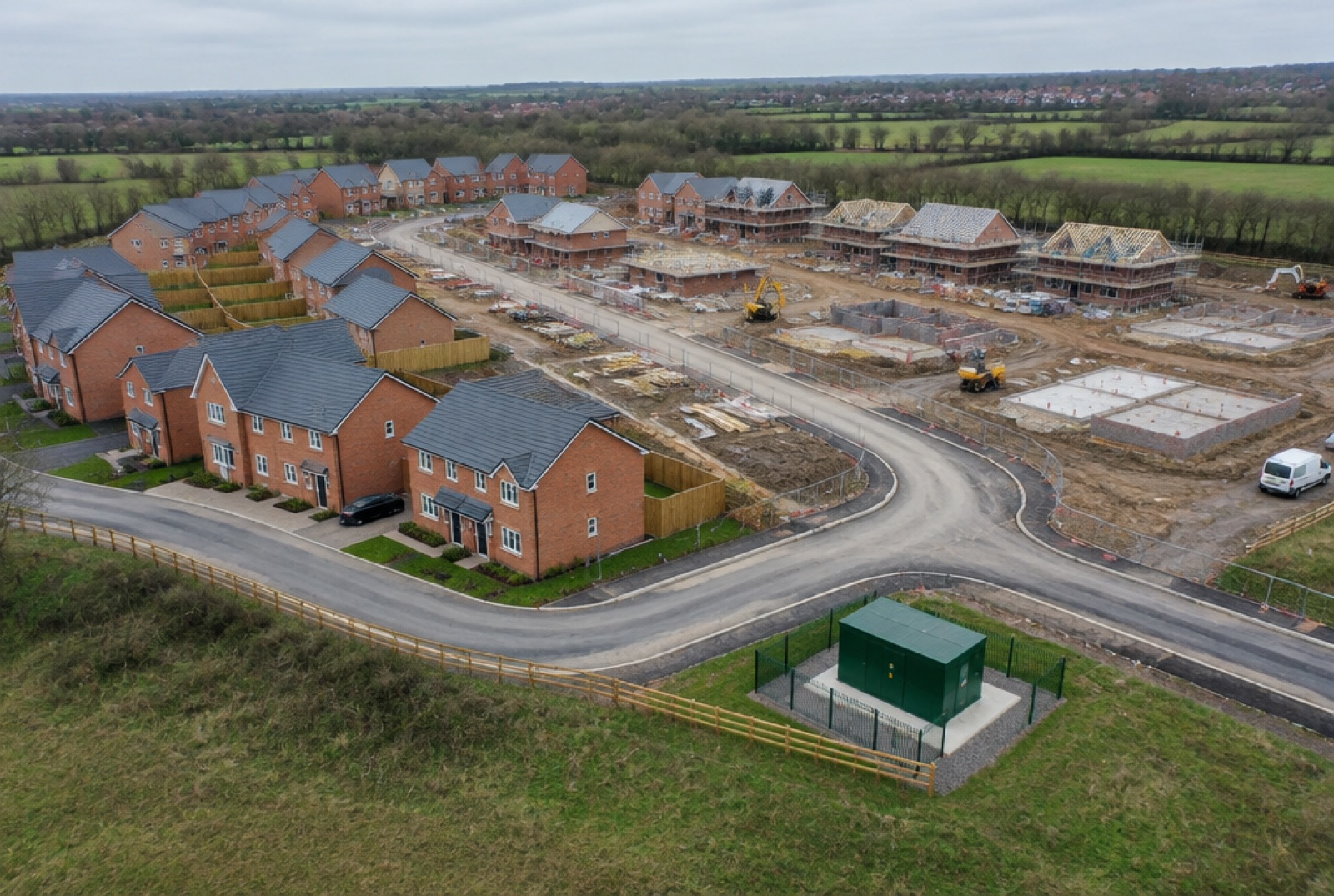
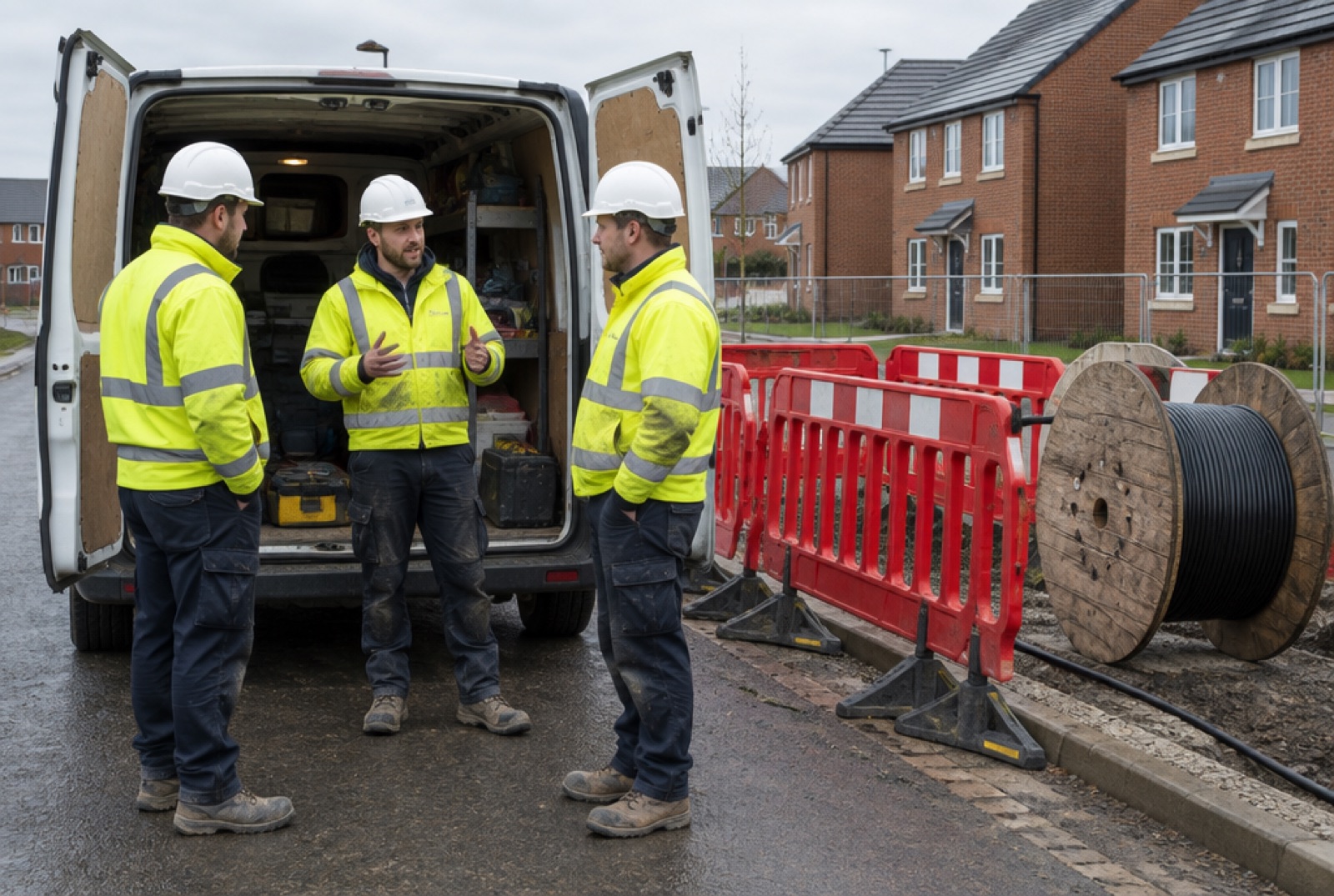
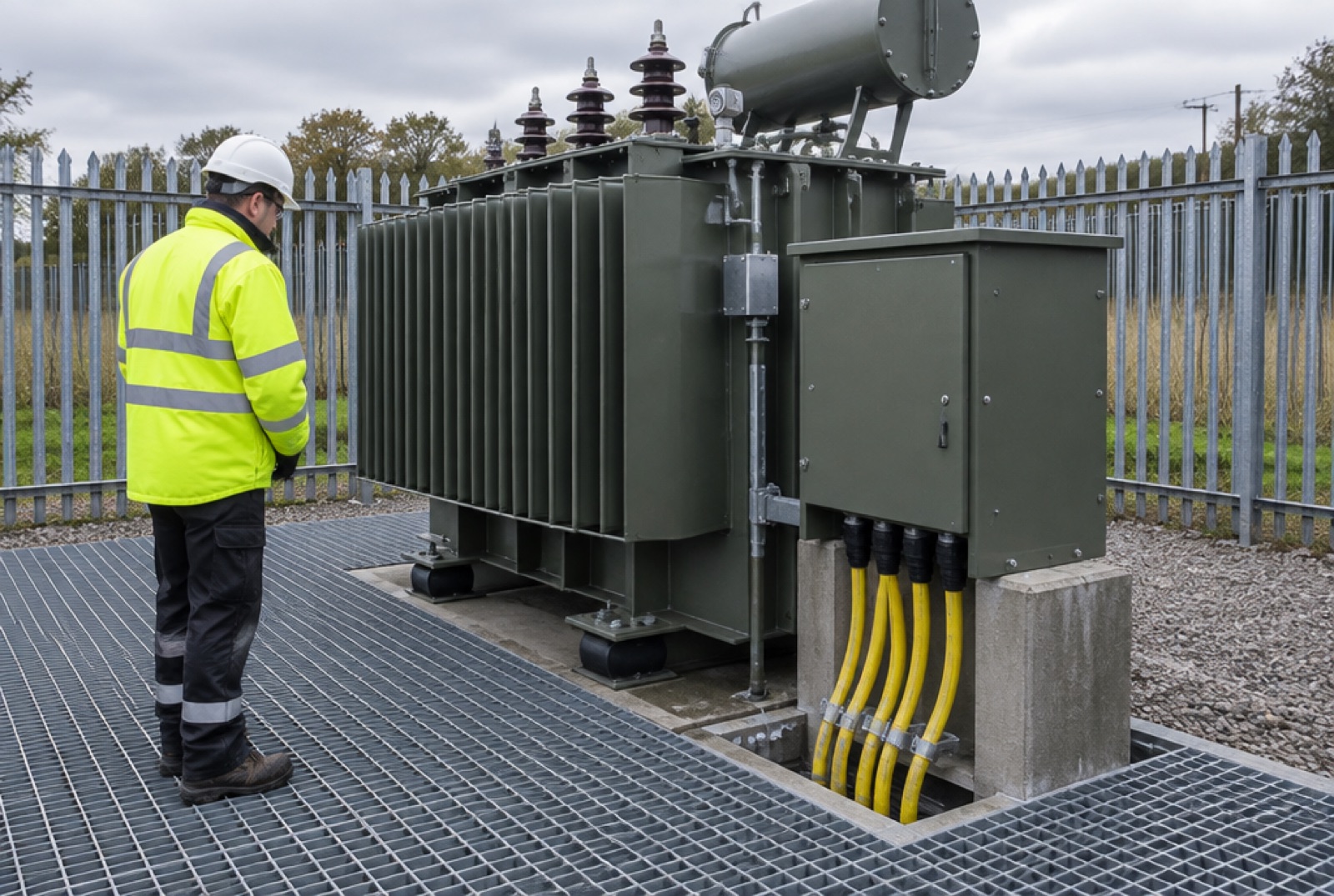
On a housing site the electricity network has to arrive in step with the build: the mains before the roads, the plot services before second fix, the substation before the first occupations. As a NERS-accredited Independent Connection Provider, Dorset Electrical Solutions designs and builds the network for developments of all sizes, from a handful of plots on an infill site to phased schemes with their own substation.
The finished network is adopted by the network operator or by an Independent Distribution Network Operator, and where an IDNO adopts it, the asset value they pay can offset a significant share of the connection cost.
A complete electrical network for the development, delivered around the build programme by one team, with plot electrics, EV chargers and solar available from the same contractor.
Phased delivery tied to your build sequence, not the network operator’s.
IDNO adoption can return a payment that reduces your net connection cost.
The same contractor for the network, the plot electrics, EV chargers and solar.
Based in Wimborne, working across Dorset, Hampshire and Wiltshire.
An IDNO, or Independent Distribution Network Operator, is a company licensed by Ofgem to own and operate electricity networks within the areas covered by the regional network operators. IDNOs typically adopt the networks built for new housing, mixed-use and commercial developments, then run and maintain them for the long term.
For residents nothing changes: they choose any electricity supplier and report faults to a 24-hour number, exactly as they would on the regional network. For developers the difference is commercial. Because an IDNO earns a regulated income from the network over decades, it will usually pay an asset value when it adopts one, which can offset a meaningful share of the connection cost.
An IDNO does not build the network itself. It relies on a NERS-accredited ICP, such as Dorset Electrical Solutions, to design and install it to the IDNO’s standards.

When the network is complete it must be adopted by a licensed network operator. The regional operator will adopt it at no charge. An Independent Distribution Network Operator will also adopt it, and because it earns income from the network for decades it will usually pay the developer an asset value on adoption. Residents are supplied and metered exactly as they would be on the regional network, and the IDNO is responsible for faults and maintenance.
For most developments above a handful of plots, IDNO adoption reduces the net cost of the connection. We obtain offers from IDNOs on your behalf, compare them with the regional operator’s terms and explain the differences so you can choose.
Capacity check, connection options, substation location and a budget figure, ideally before planning.
Network design approved by the adopting operator, legals and a fixed price.
Mains, substation and plot services delivered to the build programme.
Plots energised as they complete, MPANs created and the network adopted.
A typical sequence. We agree the phasing with your site manager so the network is never on the critical path.
| Build stage | Electrical works | Lead time to plan for |
|---|---|---|
| Site set-up | Temporary builders’ supply and compound supply | 4 to 8 weeks before mobilisation |
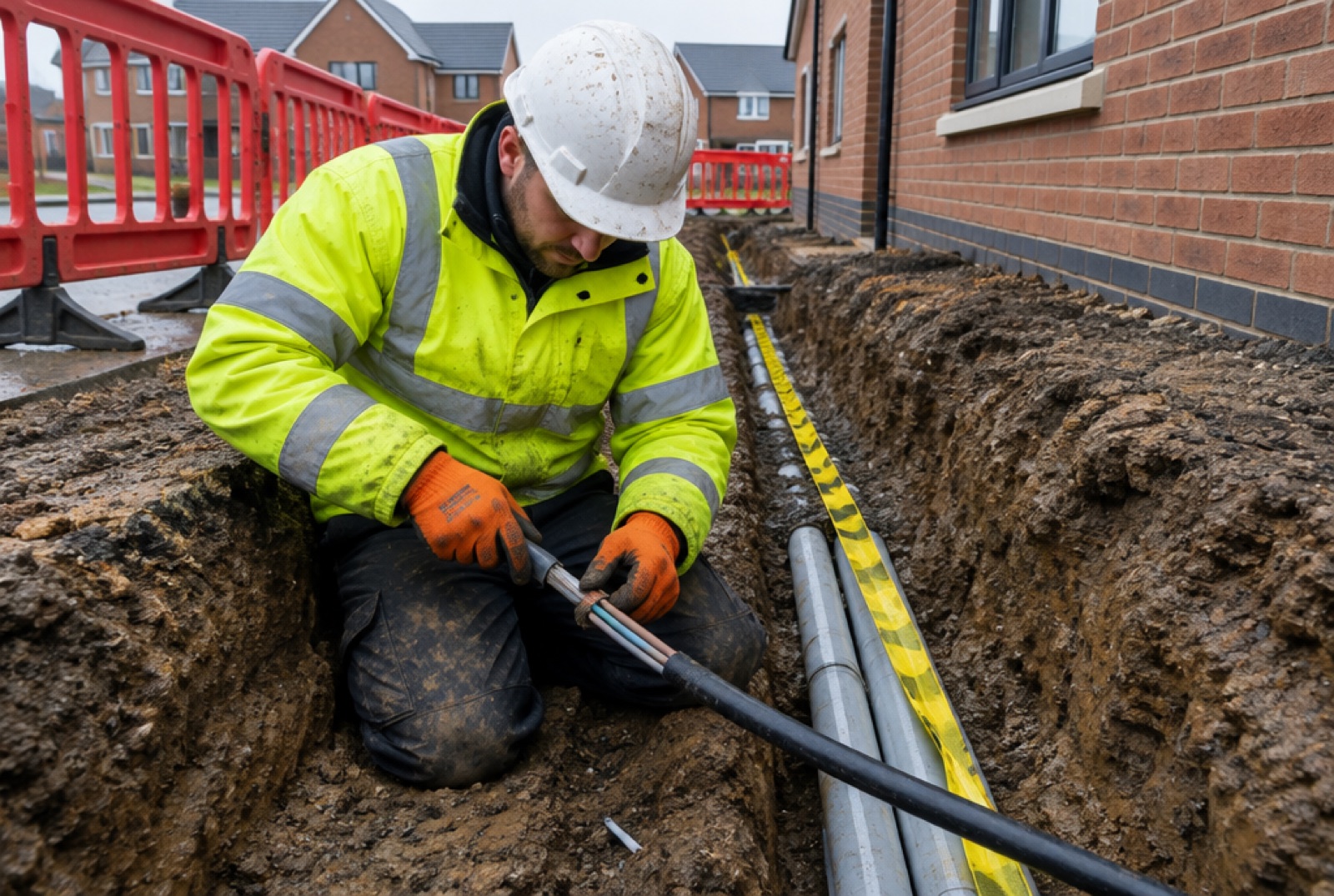
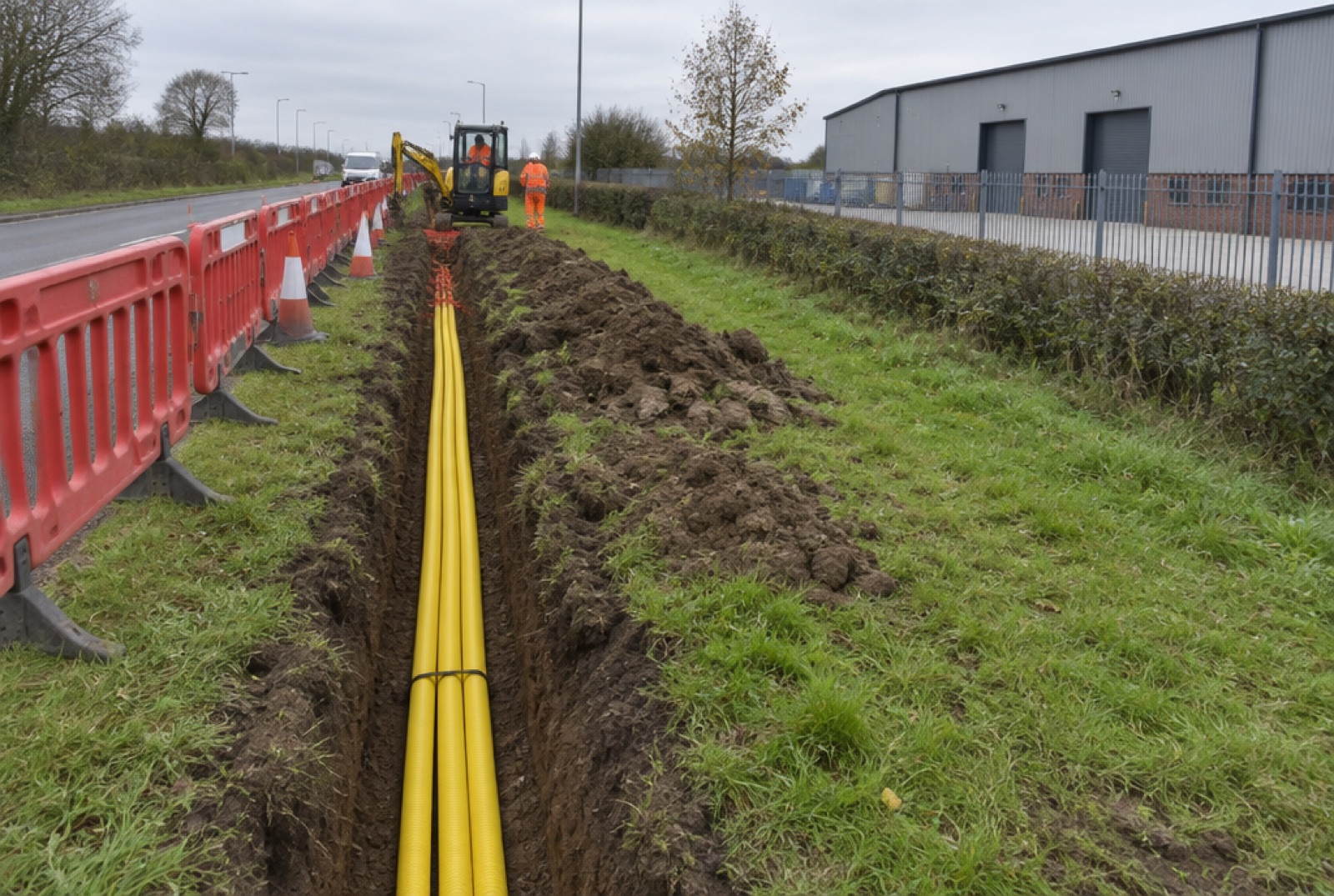
| Roads and drainage | Mains ducts and cables laid in the road corridor | With the groundworks contractor |
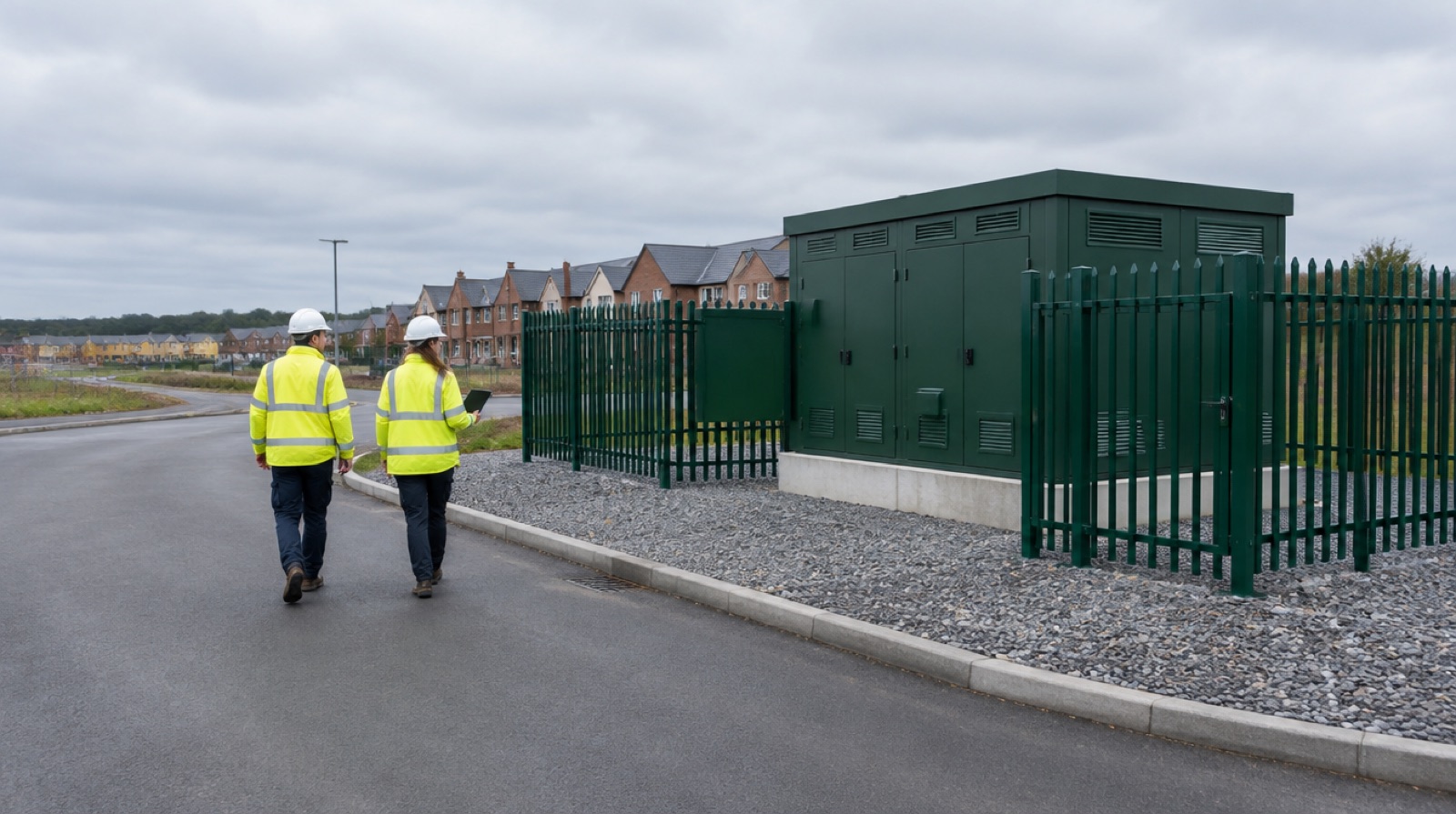
| Superstructure | Substation plinth, civils and transformer delivery | Substation ordered at design approval |
| First fix | Plot service cables and cut-outs to each dwelling | Sequenced plot by plot |
| Second fix and handover | Meters fitted, plots energised, MPANs live | 2 to 4 weeks before each occupation |
| Completion | Street lighting connected, network adopted, asset value paid | On completion of each phase |
Send us the layout and the plot count before the planning application if you can. Fixing the substation footprint and cable routes early avoids redesign later.
An Independent Distribution Network Operator is a licensed company that can own and operate the electricity network on a development instead of the regional network operator. Residents are supplied exactly as they would be otherwise. Because the IDNO earns income from the network, it typically pays the developer an asset value on adoption, which reduces the cost of the connection.
Yes. Small sites are often where an ICP saves the most time, because the network operator’s programme for minor works can be long relative to the build.
Yes. Dorset Electrical Solutions is a full-service electrical contractor, so we can wire the dwellings, fit EV chargers and install solar PV alongside the network.
Before planning if possible. The substation footprint, the cable routes and the available capacity all affect the site layout, and the earlier they are fixed the less redesign later.
We can install the street lighting network and arrange the unmetered connections with the network operator and the local authority, so it is energised with the rest of the site.
Reinforcement is non-contestable, so the network operator carries it out and charges for it. We identify the risk at feasibility, so it is in the budget and programme from the start rather than a surprise later.
Asset value is a payment an IDNO makes to the developer when it adopts a new network, reflecting the income it will earn from that network over its life. The amount depends on the number and type of connections and the length of network, and we obtain offers so you can compare them.
Send us the site plan and the number of plots, and we will come back with the connection options and a budget figure.
Independent Connection Provider services · new electricity connections & three-phase supplies · substation installation & HV connections · EV charging grid connections · G99 applications & solar grid connections · electricity disconnections & cable diversions · our guide: what is an ICP?
We also install commercial solar PV, battery storage and EV chargers, and provide commercial electrical services across Poole, Bournemouth, Wimborne and the wider Dorset, Hampshire and Wiltshire area.
Leave your details and we’ll call you back — usually the same day.
★ 5.0 Google · NAPIT approved · Fully insured